
Tropical Storm Isaias is currently tracking toward the United States, with meteorological models projecting it will strengthen into a Category 1 or Category 2 hurricane before making landfall. While the exact path remains subject to minor adjustments, the core message for homeowners in the projected impact zone is clear: the window for effective preparation is narrowing. You do not need to panic, but you do need to act with precision. The next 72 hours are critical for securing your property, verifying your emergency resources, and finalizing your family’s evacuation strategy.
Your county's real disaster history, what to do first, and what to keep at home. Free, and it shows up right here.
🔒 We never sell your email. Unsubscribe in one click.
At USRiskRadar, we believe that disaster preparedness is a matter of logistics, not luck. By breaking down the complex data from the National Hurricane Center (NHC) into actionable steps, we can help you navigate the coming days with confidence. Below is your comprehensive guide to hurricane readiness, tailored for a Category 1-2 event.
Understanding the Threat: Decoding the Forecast
A Category 1 hurricane features sustained winds of 74 to 95 mph. A Category 2 hurricane ranges from 96 to 110 mph. While Category 3 and above are classified as “major” hurricanes, Categories 1 and 2 are still capable of causing severe damage, particularly to roofs, windows, and power infrastructure. The primary risks you face are high-velocity winds, heavy rainfall leading to localized flooding, and potential storm surge if you are near the coast.
It is a common misconception that only major hurricanes require preparation. In reality, the majority of hurricane damage in the US is caused by Category 1 and 2 storms because they occur more frequently. For instance, many homeowners underestimate the force of 90 mph winds, which can easily peel shingles off a roof or shatter standard glass. Your home’s most vulnerable points are typically the roof, windows, and garage door. Once wind enters through an opening, it creates internal pressure that can lift the roof or blow out walls.
Securing Your Home and Property
Physical hardening of your home is the most effective way to reduce insurance claims and ensure safety. If you have the time and materials, focus on the following areas immediately.
- Windows and Doors: If you have storm shutters, install them now. If you do not, consider plywood cut to fit your windows, but ensure you use a saw to cut the wood to avoid splinters. For those without shutters, impact-resistant glass is a long-term investment, but for immediate protection, interior film can help hold glass together.
- Garage Doors: The garage door is often the weakest structural point in a home. Use zip ties or straps to brace the door to the frame, or use the “T-bar” method with 2x4s to reinforce the center of the door.
- Outdoor Debris: Remove or anchor all outdoor furniture, grills, and planters. Even a heavy grill can become a dangerous projectile in 90 mph winds, potentially damaging your roof or neighboring properties. Trim any low-hanging tree branches that are likely to fall.
Additionally, ensure that all exterior wall openings, such as vents or gaps around plumbing, are sealed with tape or caulk to prevent wind and water intrusion. If you are in a coastal area, be aware of storm surge. Even a Category 1 storm can produce a few feet of surge in low-lying areas. Clear drainage paths to ensure water can flow away from your house foundation.
The 72-Hour Supply Kit and Water Security
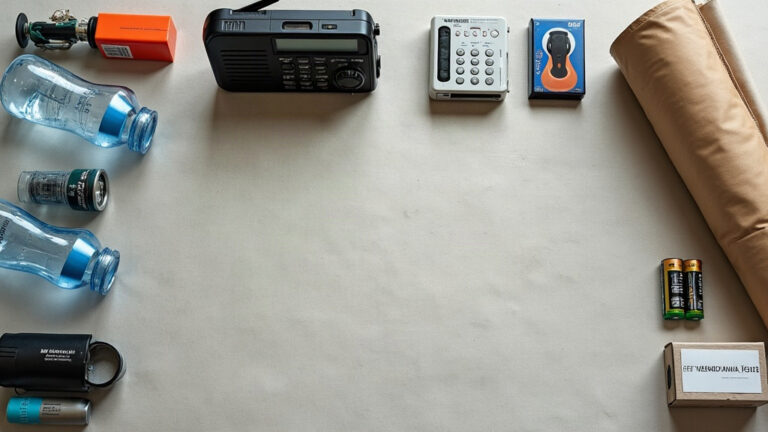
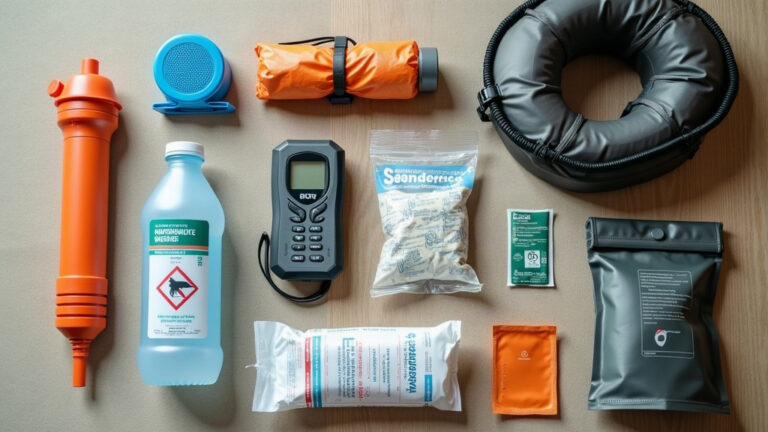
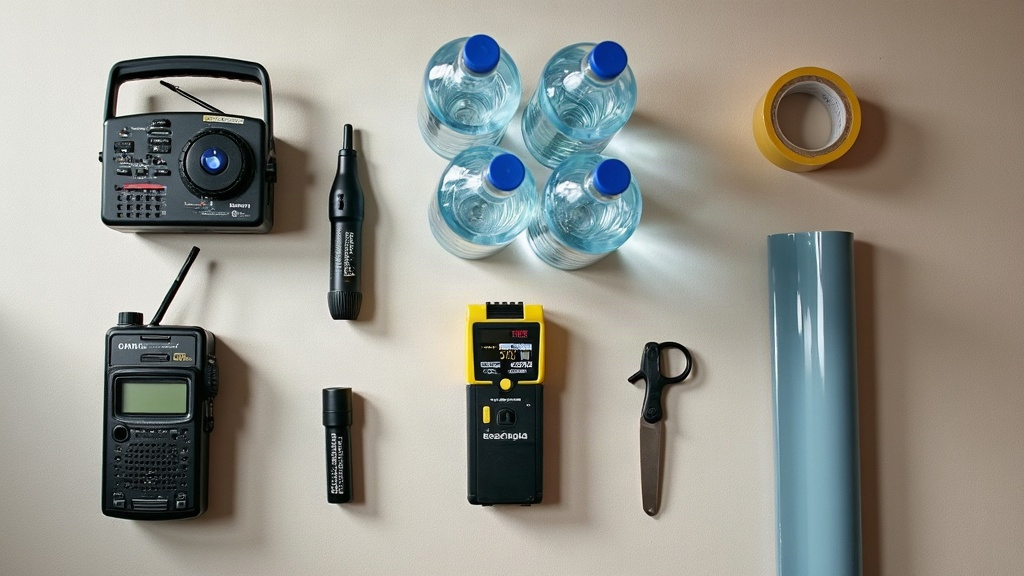
FEMA and Ready.gov recommend having at least three days’ worth of supplies for each member of your household. This includes food, water, and essential medications. However, in the context of a hurricane, infrastructure damage often lasts longer than 72 hours. If possible, aim for a 5-to-7-day supply.
Water: You should store at least one gallon of water per person per day for a minimum of three days, for drinking and sanitation. That means a family of four needs at least 12 gallons, ideally 20-28 gallons. Tap water may be contaminated after a storm due to broken mains or sewage backup. Having a reliable method to purify water is a critical backup.
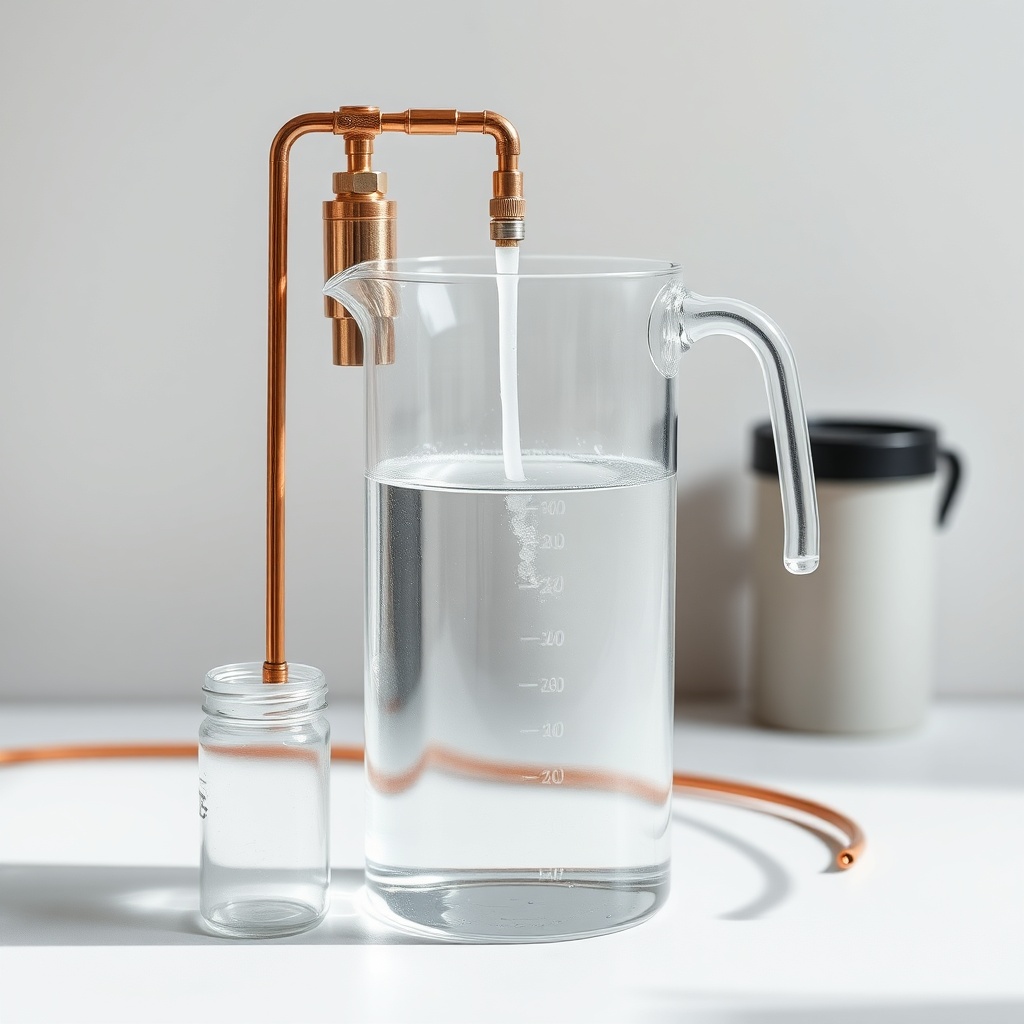
📦 Recommended: Water Freedom System
When hurricanes contaminate local water supplies, having a dedicated filtration system ensures you have access to clean drinking water without relying on municipal infrastructure.
Food: Focus on non-perishable items that do not require cooking, such as canned goods, energy bars, and dried fruits. Do not forget to include a manual can opener. Medications: Ensure you have a full supply of prescription medications, as pharmacies may be closed or inaccessible. Keep a list of your prescriptions and dosages in your go-kit.
Documents, Insurance, and Communication
One of the most overlooked aspects of hurricane preparation is the protection of vital documents. If your home is damaged, you will need to file insurance claims and prove ownership or identity. Without these documents, the process becomes significantly more difficult.
Digitize all critical documents, including insurance policies, deeds, birth certificates, and passports. Store these files in a secure cloud service or on a waterproof external hard drive. Keep physical copies in a waterproof, fireproof safe. Additionally, review your homeowners insurance policy now. Important Note: Standard homeowners insurance policies typically do not cover flood damage. If you live in a flood zone or a low-lying area prone to storm surge, you need a separate flood insurance policy through the National Flood Insurance Program (NFIP) or a private provider. Call your agent now to verify your coverage limits and deductibles.
Establish a family communication plan. Cell networks often go down during storms. Agree on an out-of-state contact person who can serve as a central point of communication if local lines are jammed. Ensure all family members have a charged battery pack for their phones and a list of emergency contacts written down on paper.
Evacuation vs. Sheltering In Place
The decision to evacuate or shelter in place depends on your location relative to the storm’s path and the severity of the forecast. If you live in a coastal area, in a mobile home, or in a low-lying area prone to flooding, evacuation is strongly recommended. Follow all mandatory evacuation orders issued by local authorities immediately. Do not wait until traffic is heavy.
If you are advised to shelter in place, identify a safe room in your home. This is typically an interior room on the lowest level that is not on the ground floor (to avoid flooding), such as a bathroom or hallway closet. Stay away from windows and doors. Have your go-kit, extra blankets, and entertainment ready. If power is out, use flashlights and candles only if you can supervise them safely; batteries and LED lights are preferred.
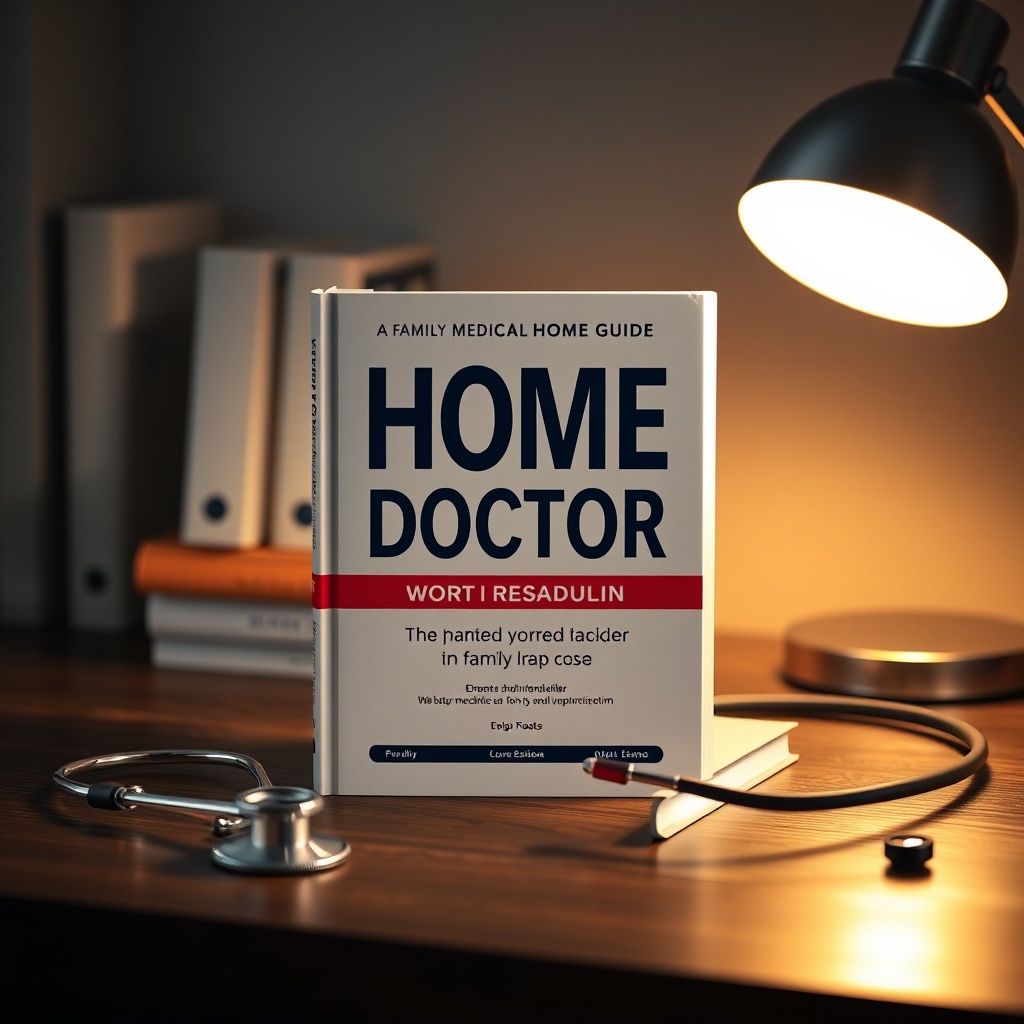
📦 Recommended: Home Doctor
In the aftermath of a hurricane, emergency services may be overwhelmed for days. A comprehensive home medical guide ensures you can treat minor injuries and manage illness effectively while waiting for help.
What to Do Next: Your 72-Hour Checklist
Use this checklist to track your progress over the next three days. Check off items as you complete them to ensure no step is missed.
- Day 1: Secure all outdoor furniture, trim loose branches, and install window protection. Verify your insurance coverage, specifically checking for flood exclusions.
- Day 2: Stock up on water (1 gallon/person/day), non-perishable food, and medications. Digitize and secure all vital documents (deeds, insurance, IDs).
- Day 3: Finalize your family evacuation plan. Charge all electronic devices and battery packs. Confirm your meeting point and out-of-state contact. Monitor local news for official evacuation orders.
Stay informed by monitoring the National Weather Service and local emergency management channels. Avoid relying solely on social media for official instructions. By taking these proactive steps, you transform a potential disaster into a manageable event. Your home is your primary asset, and your peace of mind is the best insurance you can buy.
Get real disaster prep — decoded from FEMA, NOAA & USGS.
One short email when something actually matters for your zip code. No spam, ever.