
Last Updated: March 2026 | Based on FEMA/NOAA/USGS data
Since January 2016, FEMA has issued six federal disaster declarations for Ohio. Two were tornadoes, two were floods, and two were biological emergencies. The most recent tornado declaration came on May 2, 2024, and before that, a 2019 event covered severe storms, straight-line winds, tornadoes, flooding, landslides, and mudslides in a single declaration. That last part matters: Ohio’s disasters don’t arrive in neat categories. They stack. A tornado watch in Columbus can turn into a flood rescue operation in the same afternoon, and Franklin County residents who prepared only for one hazard have been caught off guard by the other. Our Tornado Preparedness guide covers how to plan for that kind of stacked event.
Your county's real disaster history, what to do first, and what to keep at home. Free, and it shows up right here.
🔒 We never sell your email. Unsubscribe in one click.
This guide is built around that real record. If you live in Columbus or anywhere in Franklin County, the pattern in the FEMA data tells you exactly what to prepare for, and in what order.
📊 OH Federally Declared Disasters (2016–2026)
6 major disaster declarations were issued for OH in this period, according to FEMA records.
| Disaster type | Declarations |
|---|---|
| Tornado | 2 |
| Biological | 2 |
| Flood | 2 |
Most recent declarations
| Date | Type | Event |
|---|---|---|
| 2024-05-02 | Tornado | Tornadoes |
| 2020-03-31 | Biological | Covid-19 Pandemic |
| 2020-03-13 | Biological | Covid-19 |
| 2019-06-18 | Tornado | Severe Storms, Straight-Line Winds, Tornadoes, Flooding, Landslides, And Mudslide |
| 2019-04-08 | Flood | Severe Storms, Flooding, And Landslides |
| 2018-04-17 | Flood | Severe Storms, Landslides, And Mudslides |
Source: FEMA OpenFEMA Disaster Declarations · retrieved 2026-07-19 by US Risk Radar.
What the Record Actually Shows
- Ohio’s six declarations since 2016 split evenly across tornadoes, floods, and biological events, no single hazard dominates, which means single-threat prep plans have gaps.
- The May 2024 tornado declaration is the most recent, making this the most relevant threat to plan around right now.
- The June 2019 declaration bundled tornadoes, straight-line winds, flooding, and landslides, conditions that can occur within hours of each other in Central Ohio.
- Franklin County sits in the Scioto and Olentangy river corridors, which means post-tornado flooding is a compounding risk, not a separate one.
- NOAA data shows Ohio averages 19 tornadoes annually, with peak activity April through July, the same window that produced both FEMA tornado declarations.
The Tornado Threat: What May 2024 and June 2019 Have in Common
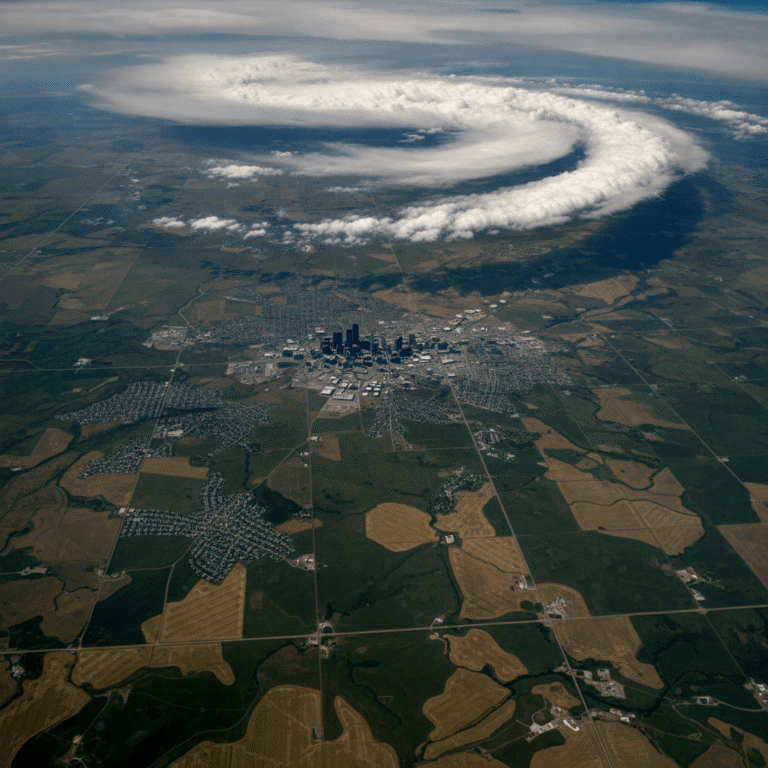
Both of Ohio’s federally declared tornado events since 2016 hit during late spring. May and June. That’s not a coincidence. Central Ohio sits at the collision zone of cool Canadian air masses pushing south and warm, moisture-laden air moving north from the Gulf. When those systems meet over Franklin County, supercell thunderstorms form fast. The National Weather Service office in Wilmington, which covers Columbus, issues tornado warnings with an average lead time of around 13 minutes. That’s enough time to reach shelter, but only if you already know where you’re going.
Your first action item is not buying a kit. It’s identifying your shelter right now, before any watch is issued. The safest option is a basement or FEMA-certified storm cellar. If your Columbus home doesn’t have one, many older Clintonville and Franklinton properties don’t, choose the innermost room on the lowest floor: a center hallway, a bathroom without exterior walls, or a closet. Avoid the false security of interior rooms that still share an exterior wall on one side. Get down, get covered, and stay away from windows.
Franklin County’s outdoor siren system is designed for people already outside. It is not intended to wake you from sleep or penetrate a well-insulated home. Register for ALERT Franklin through FCEMHS so warnings push directly to your phone. Pair that with a battery-powered or hand-crank NOAA Weather Radio, when cell towers overload during a major event, the radio keeps working. The NWS Wilmington feed covers Columbus directly.
The Flood Factor: Why Ohio’s Tornado Plans Need a Water Layer
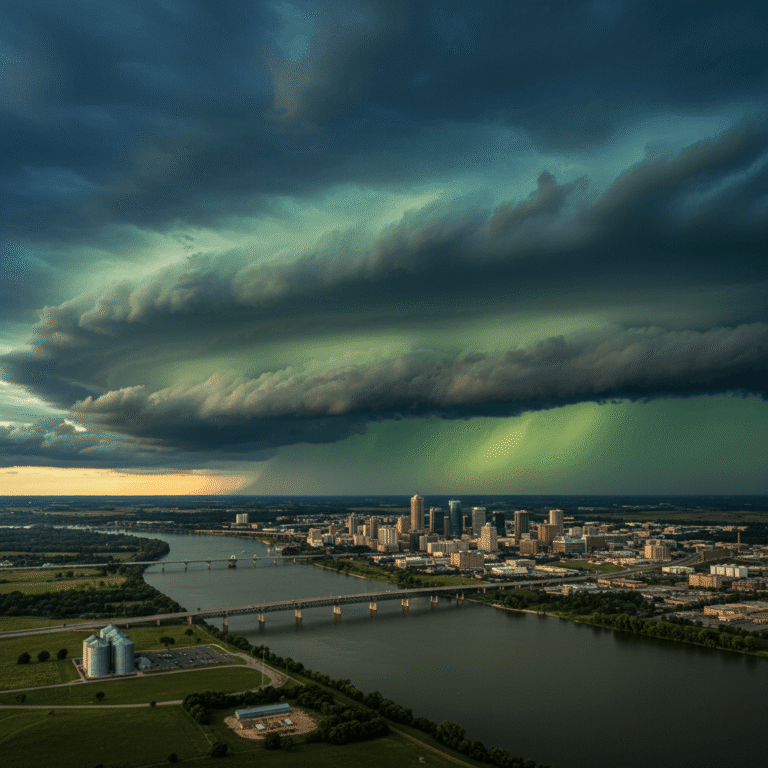
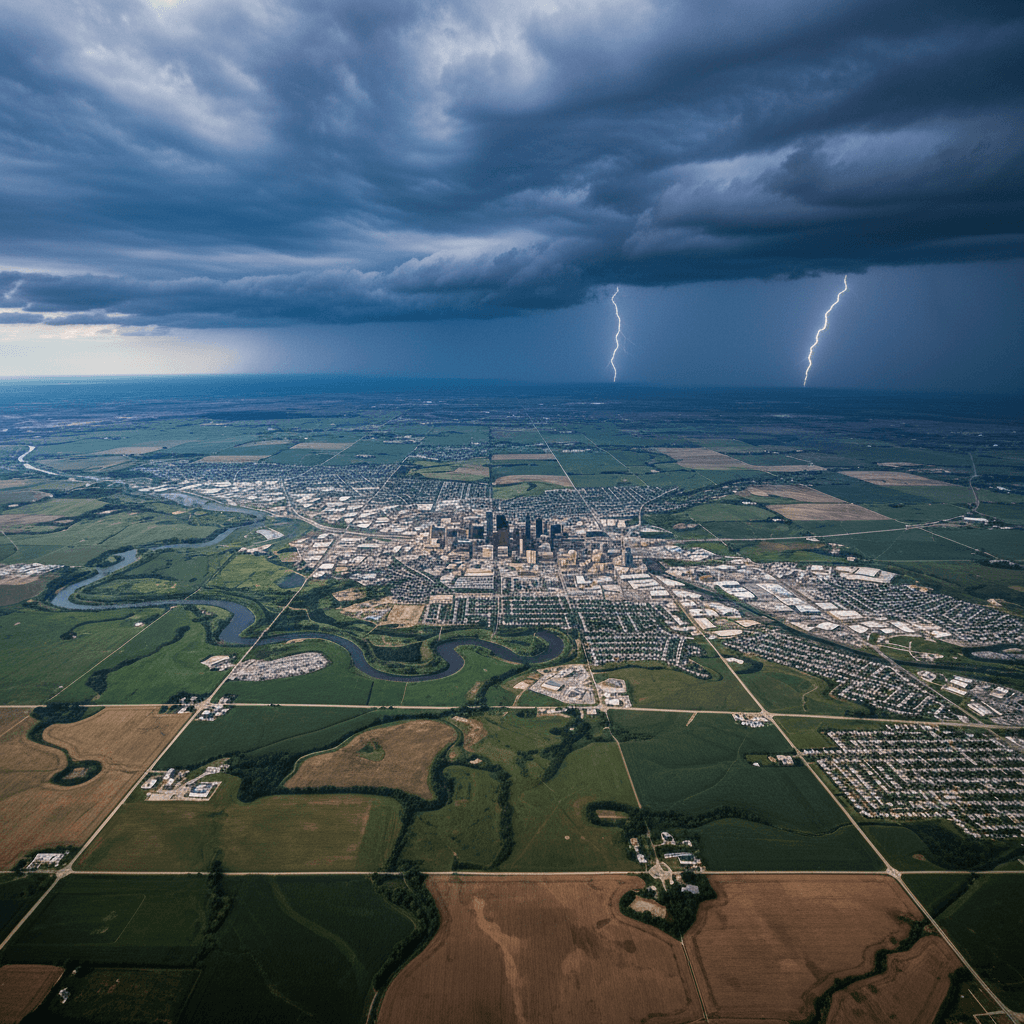
Look at the 2019 declaration again: FEMA listed tornadoes, straight-line winds, flooding, and landslides in a single event. Ohio also received two standalone flood declarations. April 2019 and April 2018, both citing severe storms and landslides. The Scioto River runs through downtown Columbus. The Olentangy borders the Ohio State University campus to the north. After a tornado-producing storm system moves through, rainfall totals and saturated ground can push both rivers over their banks within hours.
This means your preparedness plan has to account for two sequential threats: the tornado itself, and the flooding that may follow. A basement shelter is the right call during a tornado warning. That same basement can become a trap if post-storm flooding fills it before you can exit. Know your home’s flood zone status. FEMA’s flood map service center at msc.fema.gov lets you check by address. If you’re in or near a 100-year floodplain, build an exit plan that gets you above ground as soon as the tornado warning expires.
A 72-hour kit stored in the basement makes sense for wind events; a second smaller kit kept on an upper floor or near your primary exit makes sense if flooding is a real risk for your address. Stack your prep to match the stacked hazard pattern Ohio’s record shows.
What a Columbus-Ready Supply Kit Actually Looks Like
Generic kit lists circulate endlessly. This one is filtered through Ohio’s specific disaster history, tornadoes, floods, and the biological emergency that shut down supply chains for months in 2020.
- Water: One gallon per person per day, three-day minimum. After flood events, municipal water can be compromised; a seven-day supply is more realistic for Franklin County.
- Non-perishable food: Items that require no cooking. After the 2019 flooding, power outages in affected counties lasted days.
- NOAA Weather Radio: Hand-crank or battery-powered. This is non-negotiable for tornado season in Ohio.
- Flashlight and extra batteries: High-lumen LED. Candles are a fire hazard in structurally damaged buildings.
- First aid kit: Include trauma dressings, a tourniquet, and a two-week supply of essential prescription medications, the 2020 COVID declarations showed how quickly pharmacy supply chains can tighten.
- Wrench or pliers: To shut off gas and water lines if you suspect damage.
- Portable power bank: Charged and ready. Cell towers survive most tornado events; your phone battery may not.
- Cash in small bills: ATMs and card readers fail during extended outages. FEMA recommends at least $500 on hand.
- Physical maps of Franklin County: GPS depends on cell signal and power. Paper doesn’t.
- N95 masks: Useful both for biological emergencies (as Ohio learned in 2020) and for post-tornado air quality when insulation and debris become airborne.
- Pet supplies: Three-day supply of food and water, a carrier, and a copy of vaccination records.
- Waterproof document pouch: Copies of insurance policies, IDs, and property records. Flood events in 2018 and 2019 complicated insurance claims significantly when homeowners couldn’t produce documentation.
📦 Recommended: Easy Cellar
If your Columbus home lacks a basement, building a professional-grade underground shelter is the only way to guarantee safety against EF4 and EF5 tornadoes.
After the Storm: The Part Most Plans Skip
FEMA’s post-disaster guidance is clear on several points that Columbus residents consistently underestimate. First, never re-enter a structurally damaged building until local authorities have cleared it. After the May 2024 tornado declaration, inspectors found homes that appeared intact from the street but had compromised load-bearing walls inside. Second, downed power lines remain energized until a utility crew de-energizes them, treat every downed line as live. Third, use flashlights instead of candles inside any structure that may have a gas leak.
Know in advance how to shut off your gas meter and water main. Your utility provider can show you the procedure before an emergency. Practice it once so it’s not a new skill during a crisis. If you smell gas after a storm, exit immediately and call 911 from outside.
Document your property now, before storm season. A video walkthrough of every room, opening closets and drawers, gives you a timestamped record for insurance claims. Store copies in a cloud account and in a waterproof portable safe. After Ohio’s 2019 flood declarations, FEMA individual assistance programs required proof of loss that many affected residents couldn’t quickly produce.
Local Resources
- Franklin County Emergency Management & Homeland Security (FCEMHS)
- City of Columbus Public Safety
- National Weather Service. Wilmington (Columbus forecast office)
- Ready.gov Tornado Safety
Frequently Asked Questions
Ohio had two tornado declarations in 2019 and 2024, does that mean Columbus is at higher risk than other Midwest cities?
FEMA declarations are triggered by damage thresholds, not just storm frequency, so they reflect events that overwhelmed local resources rather than simply every tornado touchdown. Ohio averages 19 tornadoes annually according to NOAA data, and Central Ohio’s flat river-corridor terrain offers no geographic barrier to tornadic circulation. Franklin County sits in the same atmospheric collision zone responsible for both declared events, so the risk is real and recurring, not an anomaly.
The 2019 FEMA declaration covered both tornadoes and flooding. How should I prioritize if both threats arrive together?
During an active tornado warning, your priority is underground or interior shelter. Once the warning expires, assess flooding risk immediately, especially if you sheltered in a basement. The Scioto and Olentangy rivers respond quickly to heavy rainfall following storm systems, and post-storm flooding has historically followed tornadic events in Ohio within hours. Know your flood zone status before storm season, and treat the all-clear from a tornado warning as your cue to move above ground if water is rising.
Why did Ohio receive two biological disaster declarations in 2020, and what does that have to do with tornado prep?
Both 2020 declarations covered COVID-19, which disrupted supply chains for food, medication, and emergency equipment statewide. The practical lesson for tornado prep is that the 72-hour kit you’re building for a wind event becomes your only reliable resource if external supply chains fail for any reason. Stocking a two-week medication supply and enough food and water to stay home for seven days isn’t overkill. Ohio’s own disaster record shows why that buffer matters.
Get real disaster prep, decoded from FEMA, NOAA & USGS.
One short email when something actually matters for your zip code. No spam, ever.