
Last Updated: April 2026 | Based on FEMA and NOAA data
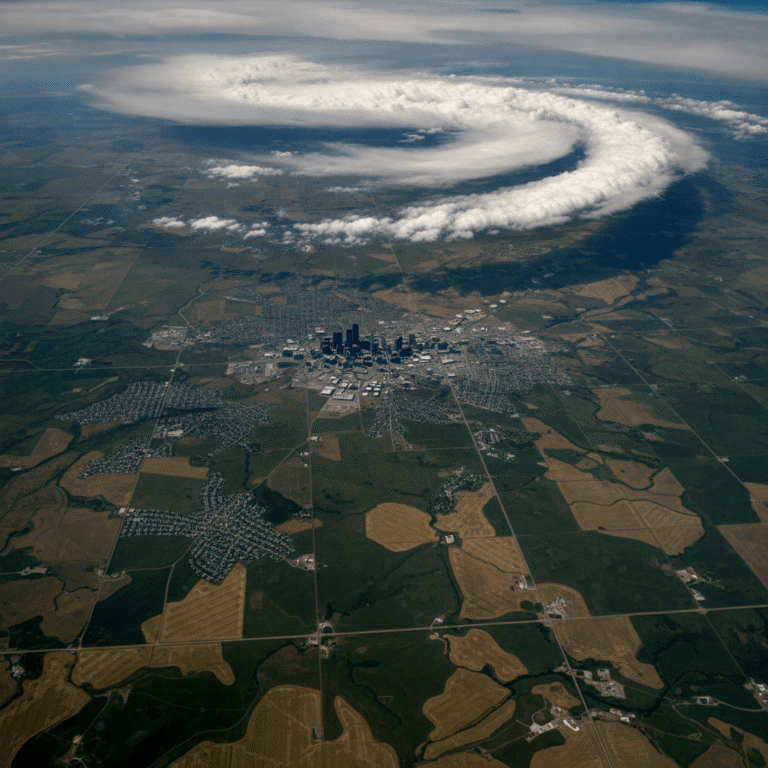
Spring is the peak season for severe weather in Missouri, making comprehensive tornado preparedness guide Kansas City MO strategies essential for every resident. Because tornadoes can develop with little warning, having a predefined plan and a stocked emergency kit is the most effective way to ensure your family’s safety when sirens sound in the Kansas City metro area.
Your county's real disaster history, what to do first, and what to keep at home. Free, and it shows up right here.
🔒 We never sell your email. Unsubscribe in one click.
📋 Print this checklist, keep it with your emergency supplies.
Before Tornado Season. Kansas City Checklist
- ☐ Identify your “safe room” (a basement, storm cellar, or an interior room on the lowest floor without windows).
- ☐ Conduct a family drill to ensure everyone knows exactly where to go and how to get there in under 30 seconds.
- ☐ Trim dead trees and branches near your home that could become projectiles during high winds.
- ☐ Register for local emergency alerts through the Kansas City Office of Emergency Management.
- ☐ Inspect your home for structural vulnerabilities; consider reinforcing garage doors.
- ☐ Establish an out-of-state contact person to coordinate family communications if local lines are overwhelmed.
- ☐ Review your insurance policy to ensure you have adequate coverage for wind and storm damage.
Emergency Kit Checklist
Your kit should sustain your household for at least 72 hours. Ensure these items are packed in a portable, waterproof container:
- Water (one gallon per person per day)
- Non-perishable food (canned goods, energy bars)
- Battery-powered or hand-crank NOAA Weather Radio
- Flashlight with extra batteries
- First aid kit with prescription medications
- Multi-purpose tool or wrench to shut off utilities
- Whistle to signal for help
- Dust mask to help filter contaminated air
- Plastic sheeting and duct tape for sealing windows/doors
- Moist towelettes, garbage bags, and plastic ties
- Local maps and a hard copy of important documents
- Cell phone with portable power banks
📦 Recommended: The Lost Superfoods
Ensure your household remains nourished during supply chain disruptions common after severe storms in the Midwest.
During a Tornado
- Monitor local news and NOAA weather radio for real-time updates.
- If a Tornado Warning is issued for Kansas City, move to your designated safe room immediately.
- Avoid windows, doors, and outside walls; crouch low and cover your head with your arms.
- If you are in a mobile home or vehicle, leave immediately and seek shelter in a sturdy building.
- Do not attempt to outdrive a tornado; if caught outside, lie flat in a nearby ditch or depression and cover your head.
After a Tornado: Recovery Steps
- Check yourself and others for injuries; provide first aid only if you are trained to do so.
- Stay out of damaged buildings until authorities declare them safe.
- Wear sturdy shoes and work gloves to protect against broken glass and debris.
- Watch for downed power lines and report them to the local utility company immediately.
- Take photos of damage for insurance claims before beginning any cleanup.
Frequently Asked Questions
How often should I test my tornado plan?
Practice your family tornado plan at least twice a year, ideally before the spring and fall severe weather seasons, to ensure everyone knows their role.
What is the difference between a watch and a warning?
A Tornado Watch means conditions are favorable for development; a Tornado Warning means a tornado has been sighted or indicated by weather radar. Seek shelter immediately when a warning is issued.
Where is the safest place in my home?
The safest location is a basement or storm cellar. If you do not have one, move to an interior room on the lowest level, such as a closet or bathroom, away from windows.
Can I use my car as a shelter?
No. Vehicles are dangerous during tornadoes. If you are on the road, find a sturdy building to take shelter in or, as a last resort, lie flat in a low-lying area away from your vehicle.
How do I stay informed in Kansas City?
Stay informed through the National Weather Service (weather.gov) and local Kansas City emergency alerts.
Get real disaster prep, decoded from FEMA, NOAA & USGS.
One short email when something actually matters for your zip code. No spam, ever.