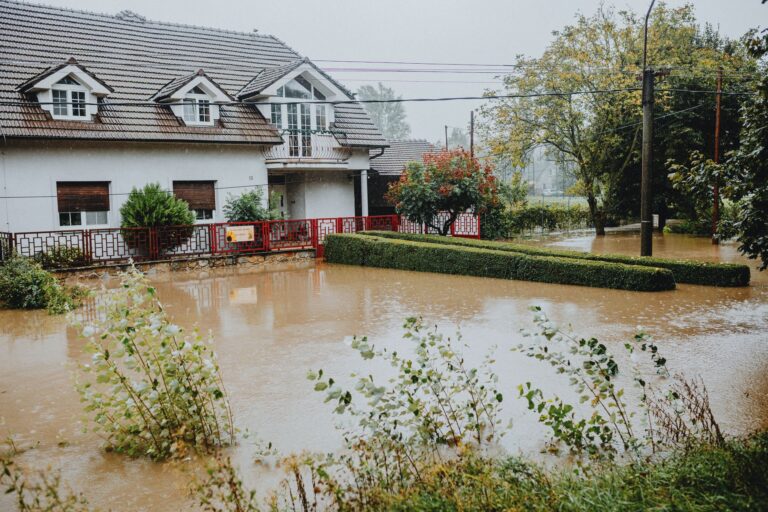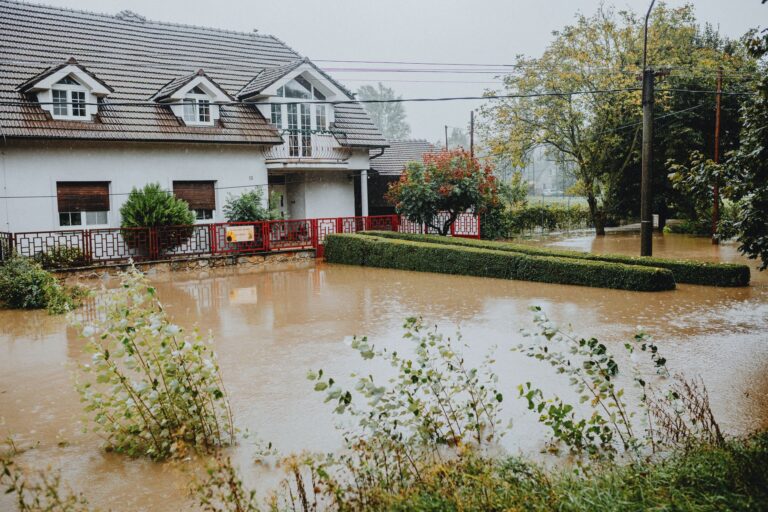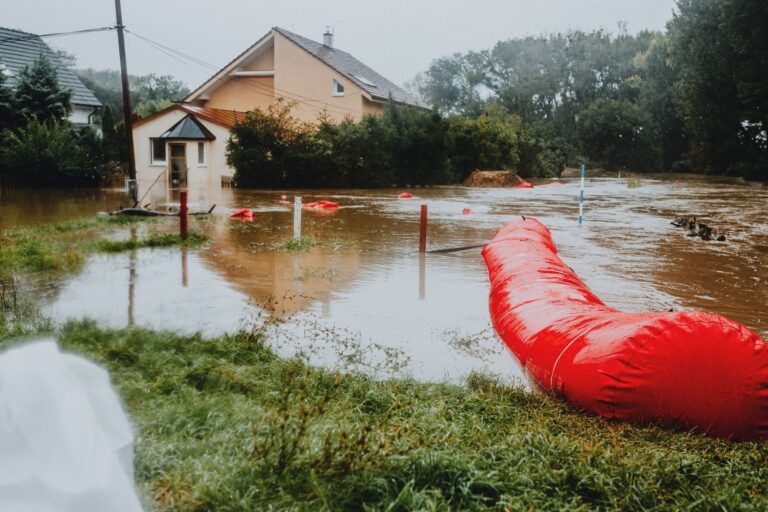

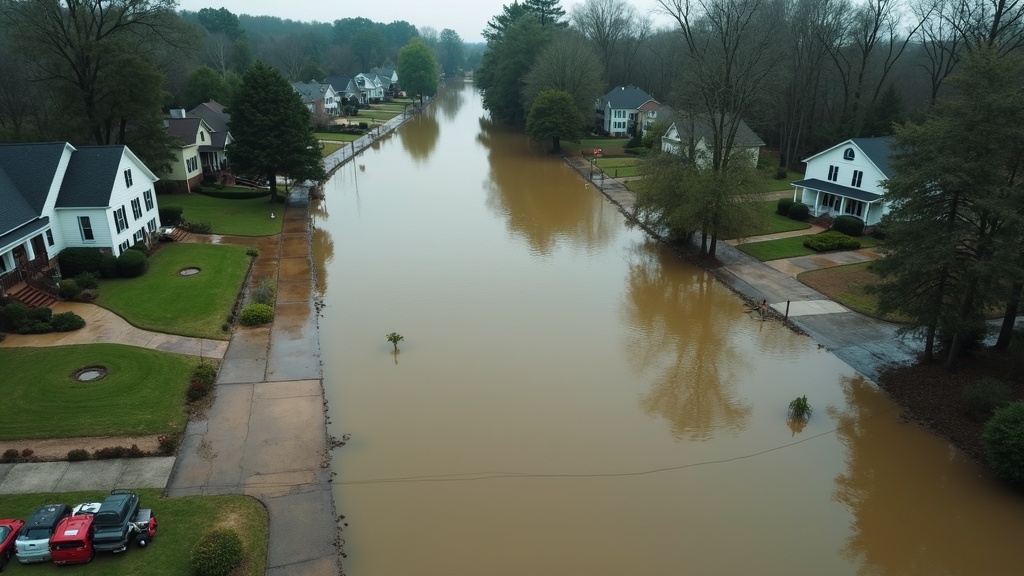
For Hawaii residents affected by the Kona Low flooding event, the clock is now practical, not abstract. FEMA says homeowners and renters who suffered damage or losses from the March 10-24 flooding have until June 14, 2026 to apply for Individual Assistance. If you are eligible, this can help cover essential recovery costs. If you are not, or if you miss the deadline, you still have options, but the best time to organize them is before the deadline passes. Our Flood Preparedness guide covers what to have ready before the next flood, deadline or not.
Your county's real disaster history, what to do first, and what to keep at home. Free, and it shows up right here.
🔒 We never sell your email. Unsubscribe in one click.
USRR’s view is simple: disaster recovery works best when you treat it like a checklist, not a crisis. Whether you apply for federal assistance or not, the same core priorities still apply in the first 72 hours after a flood and in the weeks that follow: document the loss, protect your health, stabilize your home, and line up your next layer of support.
What FEMA Individual Assistance can actually help with
FEMA Individual Assistance is designed to help eligible households recover from disaster-related losses that are not fully covered by insurance or other sources. For this flooding event, FEMA says aid may include reimbursement for temporary housing, repairs to a primary residence, personal property losses, medical expenses tied to the disaster, childcare, and other serious needs caused by the flood.
That matters because flood losses are rarely limited to one category. A damaged water heater can mean no hot water. A wet drywall cavity can turn into mold concerns. A flooded car can disrupt work and school. A short-term grant will not “make you whole,” but it can bridge the gap between the disaster and your full recovery plan.
FEMA also notes that assistance is not taxed and does not affect Social Security, Medicaid, or other federal benefits. For many households, that removes a common barrier to applying.
What you should gather before you apply
- Photos and videos of flood damage inside and outside the home
- Insurance claim records, including claim numbers and adjuster notes
- Receipts for emergency repairs, cleanup supplies, lodging, and replacements
- Proof of occupancy and ownership, if available
- Contact information that FEMA can use to reach you reliably
Even if you think you may not qualify, submit the application if your home or personal property was damaged. Eligibility is determined after review, not before.
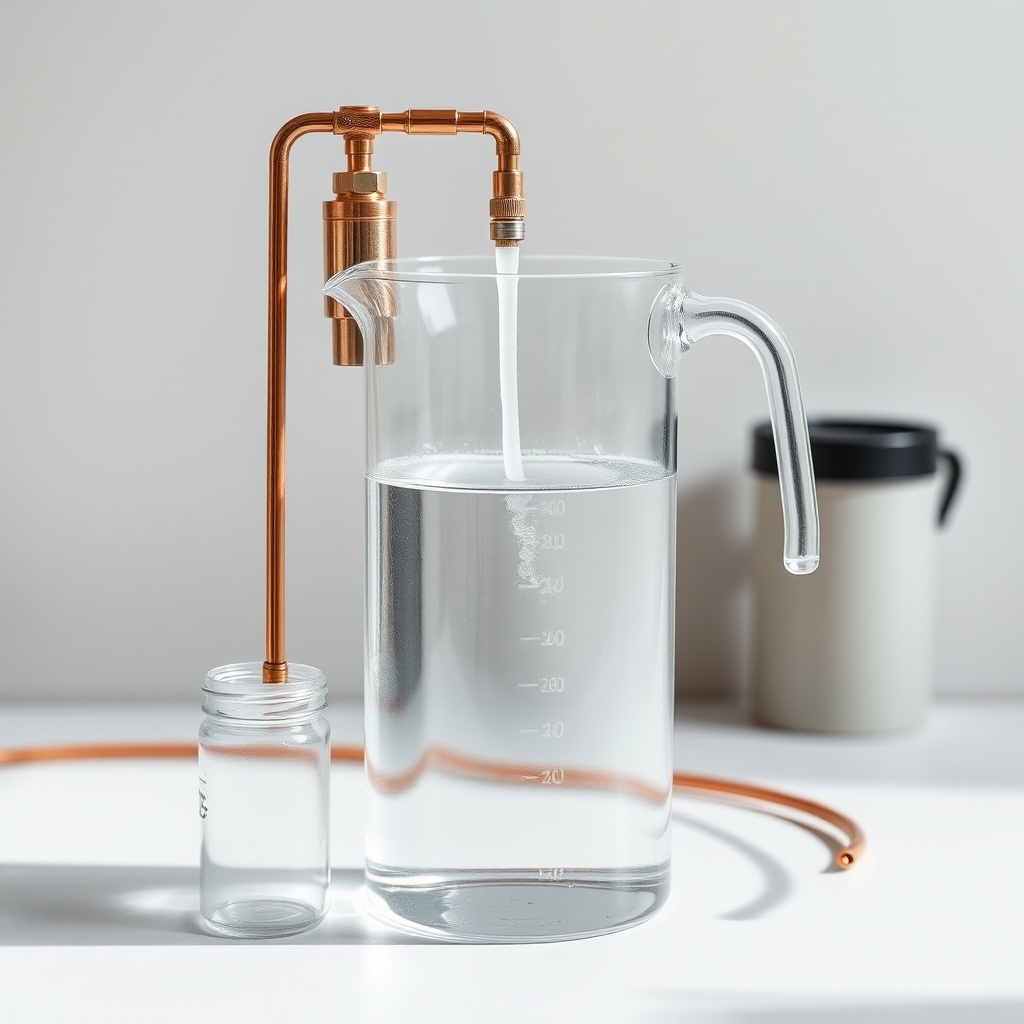
📦 Recommended: Water Freedom System
Flooding can disrupt local water service and contaminate household supply lines, especially when debris and runoff enter the system. A reliable off-grid water plan helps bridge the first 72 hours while utilities, bottled water distribution, or boil-water guidance catches up.
If you have insurance, file there first, but do not wait
FEMA’s guidance is clear: if you have insurance, file a claim for your home, personal property, and vehicle damage. That is the first recovery layer. FEMA assistance is generally meant to supplement, not duplicate, insurance coverage. In practice, this means you should move both tracks forward at once.
Do not delay your FEMA application while waiting for a final insurance payout. If your insurer is slow to respond, if coverage is partial, or if certain losses are excluded, FEMA may still be relevant. The strongest applications are the ones backed by clear documentation and timely filing.
For homeowners, one of the most overlooked issues after a flood is hidden damage. Floors may dry on the surface while insulation, subflooring, and wall materials remain compromised. If you are documenting for either insurance or FEMA, include close-up photos, wide shots, and written notes about what was damaged, when you discovered it, and what you did to prevent further loss.
Missed the deadline? Your recovery plan does not end there
If June 14 passes and FEMA Individual Assistance is no longer an option, that does not mean the recovery stops. It means you need to lean harder on other tools: insurance, community resources, nonprofit assistance, local relief funds, employer support, and self-directed recovery planning.
For many families, the real challenge after a flood is not the first cleanup day. It is the second and third week, when temporary arrangements start to strain the household budget. That is why a 72-hour readiness mindset is so valuable. It helps you build a short list of essential backups before you need them.
- Insurance: Keep policy declarations, deductibles, and adjuster contacts in one place.
- Community aid: Local faith groups, volunteer organizations, and neighborhood associations often help with cleanup, food, and temporary needs.
- Receipts and logs: Track every disaster-related expense. Even if reimbursement is not available now, records matter later.
- Home mitigation: Drying, dehumidification, and rapid debris removal can reduce secondary damage.
After flood events, food and medication access can become surprisingly difficult, especially when roads, stores, or refrigeration are disrupted. Keeping a stable emergency pantry is not about stockpiling in fear; it is about maintaining continuity when routines are interrupted.
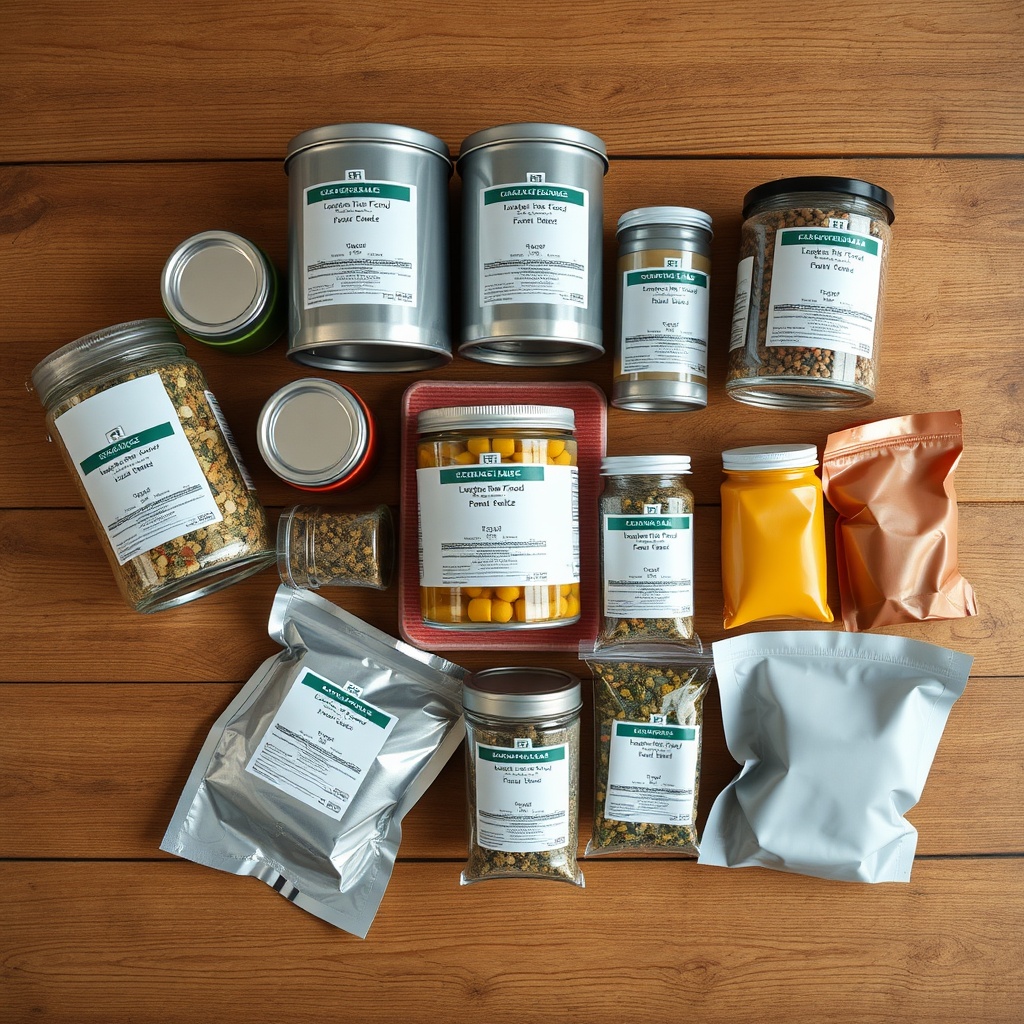
📦 Recommended: The Lost Superfoods
When flooding affects access to groceries or makes power interruptions more likely, shelf-stable food matters. A longer-lasting pantry can reduce dependence on last-minute store runs during the 72-hour window after a storm.
A 72-hour flood recovery checklist for homeowners
Whether you are still dealing with storm impacts or simply want to be ready for the next event, your first three days matter most. Use this short recovery routine to reduce damage and keep your household stable:
- Day 1: Photograph damage, contact your insurer, and begin your FEMA application if eligible.
- Day 1-2: Remove standing water safely, start drying, and throw out contaminated food and porous items that cannot be cleaned.
- Day 2: Check for electrical hazards, gas odor, weakened flooring, and signs of mold.
- Day 2-3: Save receipts, organize repair estimates, and line up temporary housing or alternate sleeping arrangements if needed.
- By 72 hours: Confirm your communication plan, refill medications, and restock water, food, and hygiene supplies.
If you live in a flood-prone area, this is also the moment to improve the home itself. Elevating stored valuables, using waterproof bins, documenting serial numbers, and keeping critical papers in a sealed folder can make the next event far less disruptive.
What to do next
- Apply before June 14, 2026 if you had damage from the Kona Low flooding and may be eligible for FEMA aid.
- File your insurance claim immediately if you have coverage for the damaged home, contents, or vehicle.
- Save every receipt and photo tied to cleanup, repairs, temporary housing, and replacement items.
- Build a 72-hour flood kit with water, shelf-stable food, medications, batteries, and hygiene supplies.
- Review your home readiness plan now so the next flood response is automatic, not improvised.
Get real disaster prep, decoded from FEMA, NOAA & USGS.
One short email when something actually matters for your zip code. No spam, ever.