

Last Updated: May 2026 | Based on FEMA/NOAA/USGS data
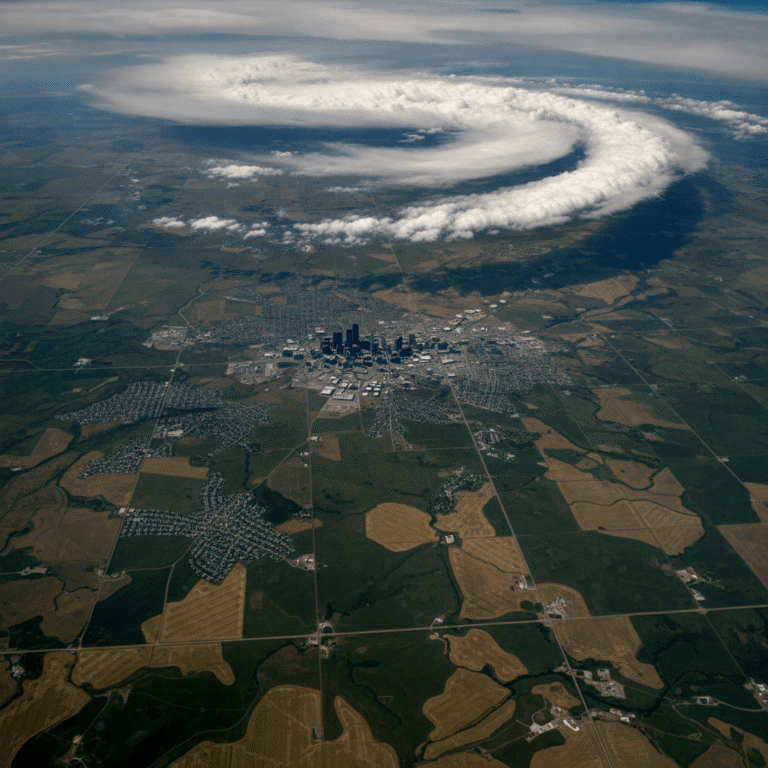
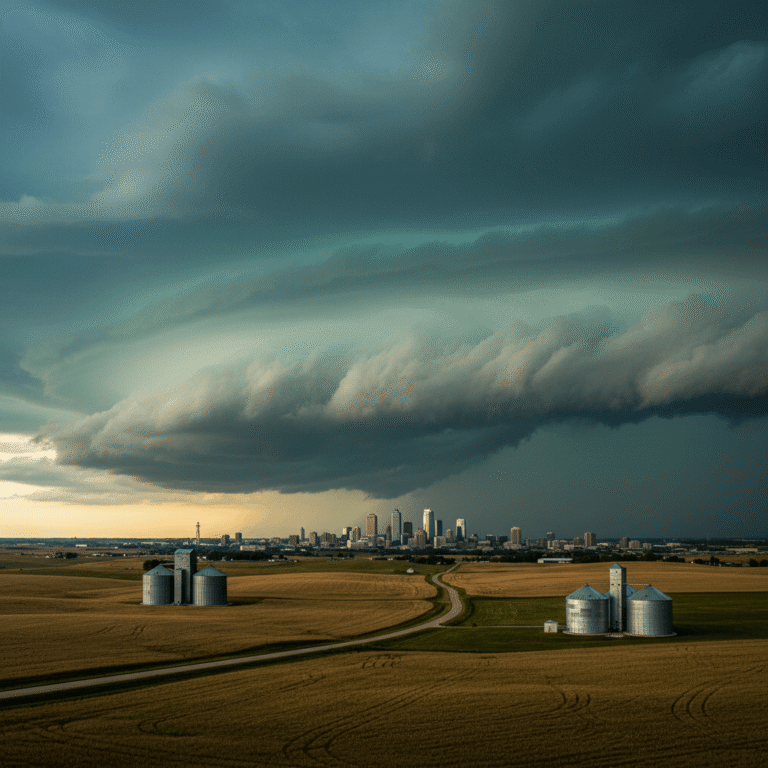
Little Rock, Arkansas, sits in a region where severe weather can develop rapidly, making tornado preparedness a vital responsibility for every resident. As of May 10, 2026, NOAA reports no active tornado watches or warnings for Arkansas; however, given the peak spring storm season, maintaining a state of readiness is essential to protecting your household against sudden atmospheric threats.
Your county's real disaster history, what to do first, and what to keep at home. Free, and it shows up right here.
🔒 We never sell your email. Unsubscribe in one click.
📋 Print this checklist, keep it with your emergency supplies to ensure your family remains prepared for severe weather events.
Before Tornado Season. Little Rock Checklist
- ☐ Identify a storm shelter or an interior room on the lowest floor of your home, such as a closet or bathroom.
- ☐ Clear your yard of loose items like patio furniture or tools that could become projectiles during high winds.
- ☐ Sign up for local emergency alerts through the City of Little Rock and the National Weather Service (NWS) Little Rock office.
- ☐ Conduct a family drill to ensure everyone knows exactly where to go when a siren sounds.
- ☐ Inspect your home for potential structural vulnerabilities, such as overhanging tree limbs that could fall during a storm.
- ☐ Maintain a NOAA Weather Radio with fresh batteries to receive alerts even if the power grid fails.
- ☐ Review your insurance policy to ensure you have adequate coverage for wind and storm damage.
Emergency Kit Checklist
Your emergency kit should be stored in a portable, easily accessible container. Aim to have enough supplies to last at least 72 hours.
- Water (one gallon per person per day for at least three days).
- Non-perishable food items and a manual can opener.
- Battery-powered or hand-crank radio.
- Flashlight with extra batteries.
- First aid kit including bandages, antiseptic, and essential medications.
- Whistle to signal for help if trapped under debris.
- Dust mask to help filter contaminated air.
- Moist towelettes, garbage bags, and plastic ties for personal sanitation.
- Wrench or pliers to turn off utilities if advised by authorities.
- Local maps to navigate if GPS fails.
- Cell phone with chargers and a backup power bank.
- Copies of important personal documents (insurance, ID, medical records) in a waterproof container.
📦 Recommended: The Lost Superfoods
Ensure your family has long-lasting, nutrient-dense food supplies ready for immediate consumption when supply chains are disrupted by storm damage.
During a Tornado
- Go immediately to your pre-identified safe room or basement.
- Avoid windows, doors, and outside walls; stay away from corners where debris can collect.
- Cover your head and neck with your arms, or use a mattress or heavy blankets for protection.
- If you are in a mobile home or vehicle, leave immediately and seek sturdier shelter.
- Do not try to outrun a tornado in your vehicle; if you cannot reach a building, lie flat in a nearby ditch or depression and cover your head.
- Monitor the NWS Little Rock weather feed for updates and confirmation that the threat has passed.
After a Tornado: Recovery Steps
- Check yourself and others for injuries; provide first aid only if you are trained to do so.
- Stay out of damaged buildings until authorities declare them safe, as structural integrity may be compromised.
- Watch for downed power lines or gas leaks; report these immediately to the utility company.
- Take photographs of property damage for insurance documentation before beginning any cleanup.
- Wear sturdy shoes and protective clothing when walking through debris to avoid cuts and puncture wounds.
Frequently Asked Questions
How often should I test my emergency kit?
Check your emergency supplies every six months, when you change your clocks for Daylight Saving Time is a convenient reminder, to replace expired food, water, and batteries.
What is the difference between a tornado watch and a warning?
A watch means conditions are favorable for tornado development. A warning means a tornado has been sighted or indicated by radar; you must take immediate cover.
Where is the safest place in my home?
The safest place is a basement or a windowless interior room on the lowest level, such as a closet, bathroom, or hallway, away from exterior walls.
Can I stay in my car during a tornado?
No, vehicles are extremely dangerous in a tornado. Seek a sturdy building immediately. If no building is available, find a low-lying area like a ditch.
Does Little Rock have public storm shelters?
The City of Little Rock encourages residents to have a personal plan. Check with local municipal resources or the Little Rock Office of Emergency Management for a list of designated public shelters during major events.
Get real disaster prep, decoded from FEMA, NOAA & USGS.
One short email when something actually matters for your zip code. No spam, ever.