
Last Updated: March 2025 | Based on FEMA, NOAA, and USGS data
Tornado preparedness in Rapid City, SD, requires vigilance, especially as spring approaches and the risk of severe convective storms increases across the Black Hills region. Being prepared means knowing your shelter location, having a reliable way to receive National Weather Service alerts, and maintaining a go-bag, as South Dakota can experience rapidly changing weather conditions with little advance warning.
Your county's real disaster history, what to do first, and what to keep at home. Free, and it shows up right here.
🔒 We never sell your email. Unsubscribe in one click.
What are the most effective ways to receive tornado warnings in Rapid City?
The most reliable way to receive life-saving information is through a NOAA Weather Radio, which provides 24/7 alerts directly from the National Weather Service, even if your power or internet is out. In addition to a dedicated radio, you should enable Wireless Emergency Alerts (WEA) on your smartphone. These geo-targeted alerts are pushed to your device by local authorities when a tornado warning is issued for your immediate area. It is also recommended to monitor local news outlets and the Rapid City/Pennington County Emergency Management social media channels for real-time updates. Never rely solely on outdoor warning sirens, as these are designed to alert people who are currently outdoors and may not be audible inside well-insulated homes.
How can I build a safe room or identify the best shelter in my home?
If you do not have a basement, the safest location in your home is an interior room on the lowest floor, such as a closet, bathroom, or hallway, away from windows and exterior walls. According to FEMA guidelines, you should reinforce this space by adding heavy blankets, mattresses, or sturdy furniture to protect yourself from flying debris. For those interested in long-term structural protection, building a FEMA-certified safe room or a reinforced underground shelter is the gold standard for tornado safety in South Dakota. These structures are engineered to withstand extreme wind speeds and debris impacts that typical residential construction cannot handle.
What is the difference between a tornado watch and a tornado warning?
Understanding these NWS terms is critical for your safety. A Tornado Watch means that conditions are favorable for the development of tornadoes in and near the watch area. This is the time to review your emergency plan, check your supplies, and stay alert. A Tornado Warning is an urgent directive meaning a tornado has been sighted or indicated by weather radar. When a warning is issued for Rapid City, you must take cover immediately. Do not wait to see the storm; seek shelter in your designated safe area and stay there until the threat has passed or you receive an all-clear from official sources.
Why is spring considered high-risk for tornadoes in South Dakota?
Spring in South Dakota marks the transition from winter cold to summer heat, creating atmospheric instability when warm, moist air from the Gulf of Mexico meets cooler, drier air moving off the Rocky Mountains. This collision of air masses often results in the severe thunderstorms that produce tornadoes. While the peak frequency often occurs in late spring and early summer, tornadoes can occur at any time during the season. Historical data from NOAA indicates that the Black Hills terrain can influence storm paths, sometimes making forecasting complex. Residents should maintain high situational awareness throughout the spring months.
How should I prepare my home to withstand high winds?
Mitigation efforts are essential for reducing damage. Regularly inspect your roof for loose shingles and ensure that all exterior doors have at least three hinges and a deadbolt lock. During a storm, flying debris is the primary cause of injury and property damage; clear your yard of loose items like patio furniture, gardening tools, or trash cans before a storm hits. If you are building or renovating, consider installing impact-resistant windows or storm shutters. While no residential structure can be made entirely “tornado-proof,” these steps significantly improve the structural integrity of your home against the high-velocity winds associated with supercell storms.
What should be included in a Rapid City tornado emergency kit?
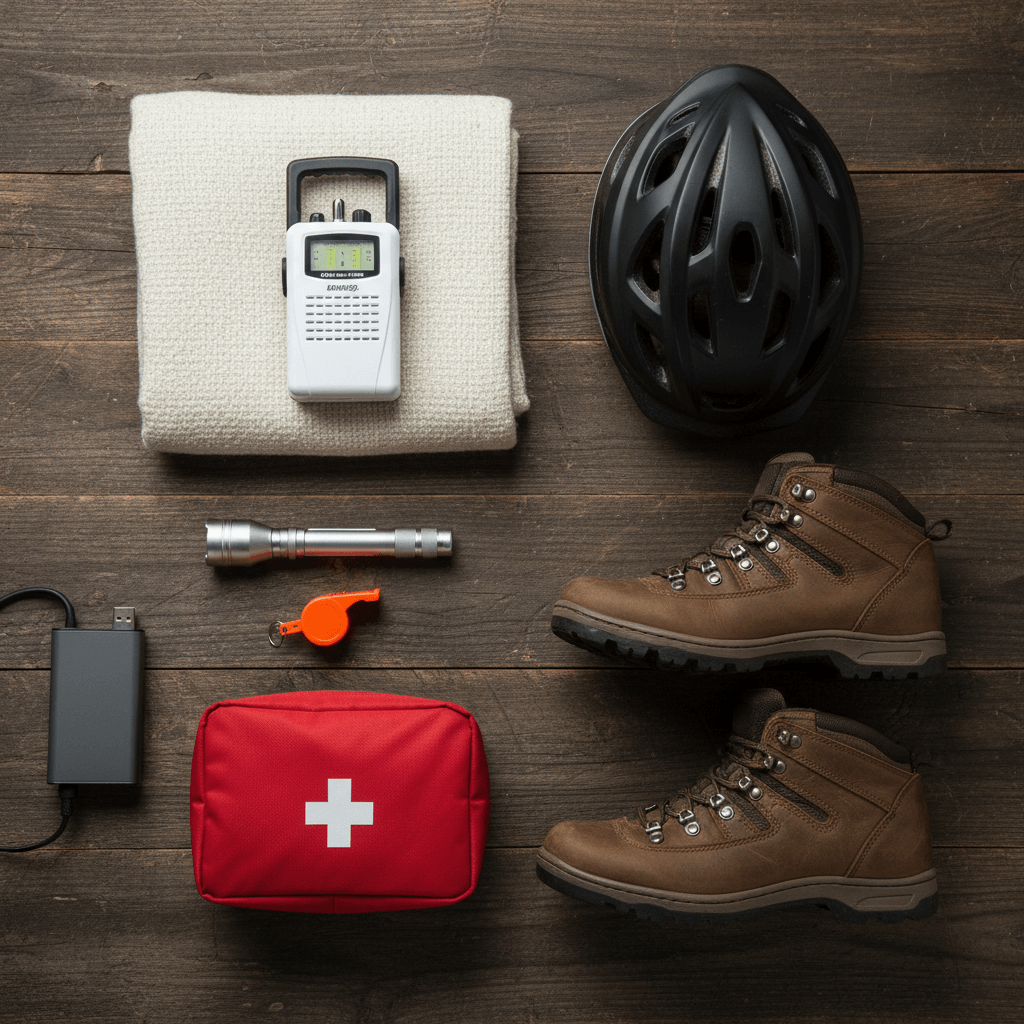
Your kit should sustain your household for at least 72 hours. Include one gallon of water per person per day, non-perishable food, a battery-powered or hand-crank radio, a flashlight with extra batteries, a first-aid kit, and a multi-tool. Additionally, pack copies of important documents in a waterproof bag, prescription medications, hygiene supplies, and personal identification. Because Rapid City temperatures can drop significantly even in the spring, include warm clothing and blankets in your kit. Store these items in a portable, durable container that is easy to grab if you need to move to your shelter quickly.
Is there a link between seismic activity and tornado frequency?
There is no scientific correlation between seismic activity and tornado formation. Tornadoes are atmospheric phenomena driven by pressure and temperature gradients, whereas earthquakes are caused by tectonic plate movement. While the USGS monitors earthquake activity across the U.S., including recent events like the M 4.6 in Indonesia or the M 3.49 in Puerto Rico, these events operate on entirely different physical mechanisms than the severe storms that impact South Dakota. Focus your emergency preparedness efforts on weather-specific hazards during the spring season.
What are the steps for recovery after a tornado hits?
Once the storm has passed, prioritize safety over cleanup. Wear sturdy shoes, long pants, and work gloves to protect yourself from glass and sharp debris. Avoid downed power lines, which may still be energized, and do not enter damaged buildings until local authorities declare them safe. Document all property damage with photographs for insurance purposes before beginning any repairs. If you are displaced, follow instructions from the Rapid City emergency management office regarding temporary shelters. Reach out to family members via text message to save bandwidth for emergency responders, and rely on official government channels for updates regarding disaster assistance programs.
📦 Recommended: Easy Cellar
An underground shelter provides the highest level of protection against the extreme wind and debris of a tornado, which is critical for residents in the plains. This guide offers insights into creating a secure, accessible space for your family.
Get real disaster prep, decoded from FEMA, NOAA & USGS.
One short email when something actually matters for your zip code. No spam, ever.