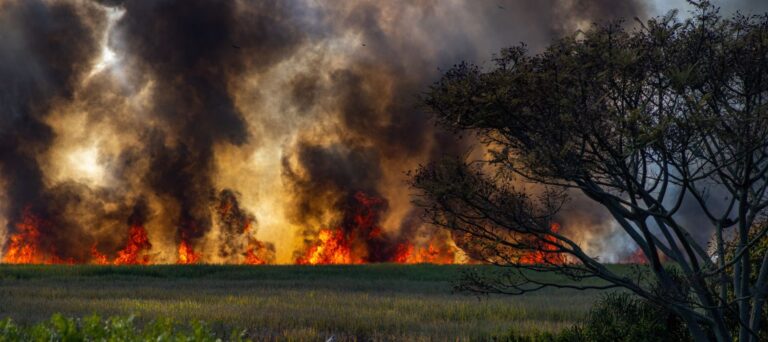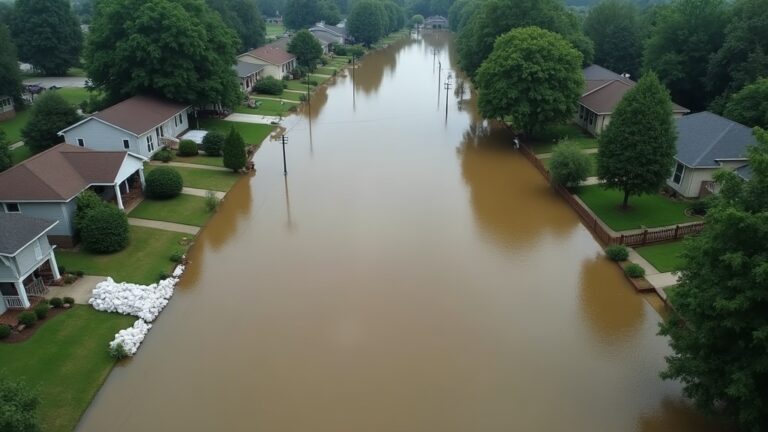

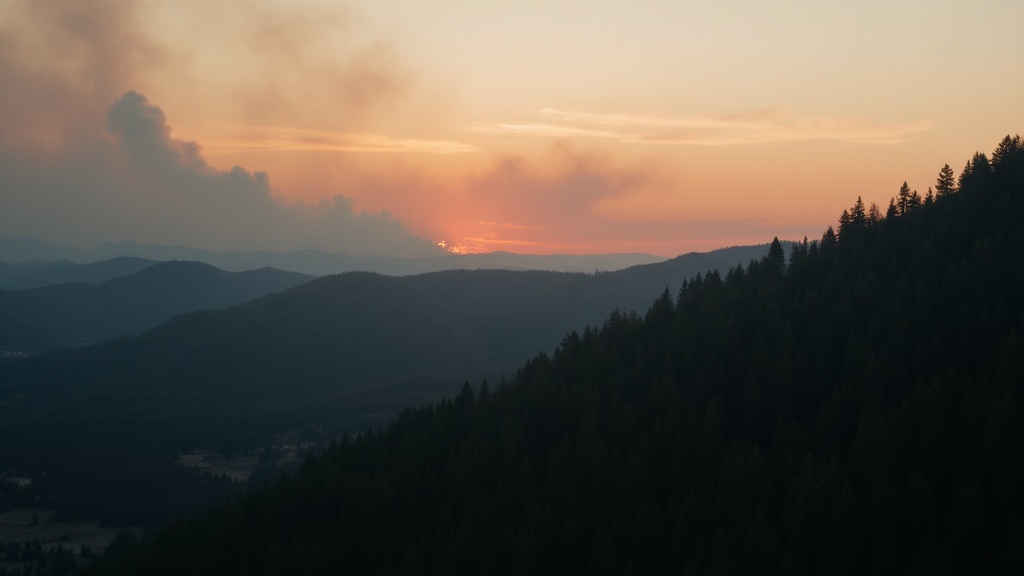
A new wildfire reported in Los Angeles County is a timely reminder that Southern California homeowners should not wait for a red flag warning to get organized. Wildfire readiness is not about panic. It is about having a simple, repeatable 72-hour plan that helps your family leave quickly, stay informed, and protect the essentials if conditions change fast.
Your county's real disaster history, what to do first, and what to keep at home. Free, and it shows up right here.
🔒 We never sell your email. Unsubscribe in one click.
For USRR readers, the goal is straightforward: know what to do before smoke is visible in your neighborhood. If you can leave in 15 minutes with your documents, prescriptions, chargers, water, and a clear destination, you are already ahead of the most common failure point in evacuation events: delay.
What this wildfire report means for LA County homeowners
When a wildfire is reported in a densely populated county like Los Angeles, the first practical question is not how large it will become, but whether it is close enough to affect roads, power, air quality, and evacuation timing. Even a smaller fire can create major disruptions if it burns near canyons, foothills, or neighborhoods with limited exit routes.
That is why homeowners should think in terms of three layers of risk: direct flame exposure, smoke and ash, and evacuation logistics. You may not need to leave immediately, but you do need to be ready if local officials issue a warning or order.
Here is the key distinction to understand in emergency alerts:
- Evacuation Warning: Be prepared to leave. Conditions may worsen quickly, and you should stage your vehicle, supplies, and family now.
- Evacuation Order: Leave immediately. Do not delay to collect extra items.
- Air Quality Advisory: Smoke may affect breathing even if fire is far away. Indoor air quality and filtration matter.
Your 72-hour wildfire checklist: build for speed, not perfection
A strong wildfire kit is not a survival fantasy. It is a compact, realistic set of items your household can grab in minutes. Aim to cover three days away from home, which is enough time for displacement, changing road conditions, and uncertain return timelines.
Pack these items first
- Identification and documents: Driver’s licenses, passports, insurance cards, medical records, property documents, pet records, and a printed contact list.
- Medications: At least a 72-hour supply, plus inhalers, epinephrine, and any special medical supplies.
- Clothing: One change of clothes per person, sturdy shoes, socks, and a light jacket.
- Water and food: At least one gallon of water per person per day if possible, plus shelf-stable food that does not require cooking.
- Charging and light: Power banks, phone cords, car chargers, flashlight, and extra batteries.
- Cash and keys: Small bills, house keys, car keys, and garage door access.
- Pet needs: Leash, carrier, food, water bowl, medications, and vaccination records.
Store these items in one designated place. If your family has to search for them during an evacuation warning, the plan is already failing. Use one bin or two backpacks for the core kit and keep it near the exit you would most likely use.

📦 Recommended: The Lost Superfoods
Wildfires can close roads, interrupt deliveries, and empty shelves fast. A shelf-stable food reserve helps your household keep meals simple while you shelter or relocate for a few days.
What to do for smoke, ash, and fast-changing air quality
Wildfire preparedness is not only about evacuation. Smoke can travel far beyond the fire perimeter, and ash can enter homes through vents, windows, and small gaps. The NOAA and EPA-style guidance homeowners should follow is simple: reduce indoor exposure and be ready to seal your living space if air quality worsens.
Use these practical steps:
- Close windows and doors before smoke becomes heavy.
- Set HVAC to recirculate if your system allows it, and replace clogged filters before peak smoke season.
- Use a HEPA purifier in the main room where your family spends time.
- Avoid unnecessary outdoor activity when smoke is present.
- Wear a well-fitted N95 if you must go outside in smoky conditions.
If you have asthma, chronic lung disease, heart disease, or young children at home, smoke planning should be part of your wildfire checklist. Respiratory symptoms can escalate before flames ever approach your block.
Also remember that power outages may follow wildfire activity. Charge devices early, keep a car charger ready, and make sure you can receive alerts even if your home internet fails.
Use official alerts the right way: FEMA, NOAA, and USGS explained
Homeowners often see multiple warning systems and wonder which one matters most. The answer is that each serves a different job.
- FEMA: Helps coordinate disaster preparedness guidance and public safety resources. FEMA messaging is useful for evacuation planning, sheltering, and recovery steps.
- NOAA: Delivers weather and fire-related conditions, including red flag warnings and forecasts that can influence fire behavior.
- USGS: Tracks hazards and environmental conditions that can help officials understand landscape risk, terrain, and post-fire impacts such as burn scars and debris flow potential.
For the homeowner, the best approach is not to monitor everything constantly. Instead, set up a clean alert routine: enable Wireless Emergency Alerts on your phone, follow local fire and county emergency channels, and check official sources twice a day during elevated risk periods. If a warning is issued, act on it early rather than waiting for visible flames or sirens.
Keep one family member assigned to notifications. That person should know where the power banks are, how to reach the destination, and which road options are likely to stay open if a canyon route closes.

📦 Recommended: Home Doctor
When smoke inhalation, minor burns, or delayed care become part of the situation, a practical medical reference can help you manage the first hours before professional treatment is available.
Where to go if you need to leave
Do not wait until an official order is issued to decide where you would go. Your wildfire plan should include at least two destinations: one nearby and one farther away. That gives you a backup if traffic, smoke, or road closures make your primary choice unusable.
Good options include:
- Nearby family or friends outside the immediate risk area
- Hotel rooms on a route away from the fire zone
- County or city shelters if you have nowhere else to stay
If you are evacuating with pets, verify in advance which locations allow animals. If someone in your home uses a wheelchair, oxygen, or another medical device, choose destinations that can support those needs.
Also note that many wildfire evacuations become longer than expected. That is why your 72-hour bag should not be minimal. Bring enough for comfort, documentation, and continuity: chargers, medications, a blanket, and a backup payment method. If you can live out of your kit for three days, you reduce stress and preserve decision-making.
What to do next
- Assemble or refresh your 72-hour go-bag today and place it by the door or garage exit.
- Choose two evacuation destinations and write down the addresses in your phone and on paper.
- Check your emergency alerts on your phone and confirm Wireless Emergency Alerts are turned on.
- Prepare for smoke by replacing HVAC filters, locating masks, and checking air purifier filters.
- Review pet and medication needs so you can leave without searching for essentials at the last minute.
Get real disaster prep, decoded from FEMA, NOAA & USGS.
One short email when something actually matters for your zip code. No spam, ever.