
Understanding Your Risk: Nashville Tornado Preparedness
Tornado preparedness in Nashville, Tennessee, is a critical necessity as the region enters the peak of its volatile spring severe weather season. With the history of significant storms in Davidson County, residents must act right now to establish a reliable safety plan. Data indicates that Tennessee experiences a high frequency of nocturnal tornadoes, making early preparation and alert systems vital.
Your county's real disaster history, what to do first, and what to keep at home. Free, and it shows up right here.
🔒 We never sell your email. Unsubscribe in one click.
For the fundamentals that apply beyond Nashville, see our Tornado Preparedness guide.
Current Risk Status: Nashville, TN
As of today, there are no active tornado warnings or watches issued by the National Weather Service for the Nashville metropolitan area. While current seismic activity monitored by the USGS shows no localized earthquake risk, severe weather can develop rapidly in Middle Tennessee. Always monitor weather.gov for the most up-to-date meteorological data. FEMA resources remain available year-round to assist with long-term mitigation strategies for homeowners.
The Nashville Tornado Preparedness Checklist
- Identify a windowless, interior room on the lowest floor of your home, such as a basement or closet.
- Sign up for the Nashville/Davidson County Emergency Alert System to receive real-time notifications.
- Conduct a household drill so every family member knows exactly where to go when sirens sound.
- Clear your yard of loose debris, patio furniture, and branches that could become projectiles.
- Assemble a “Go-Bag” with essential medications, water, and non-perishable food for at least 72 hours.
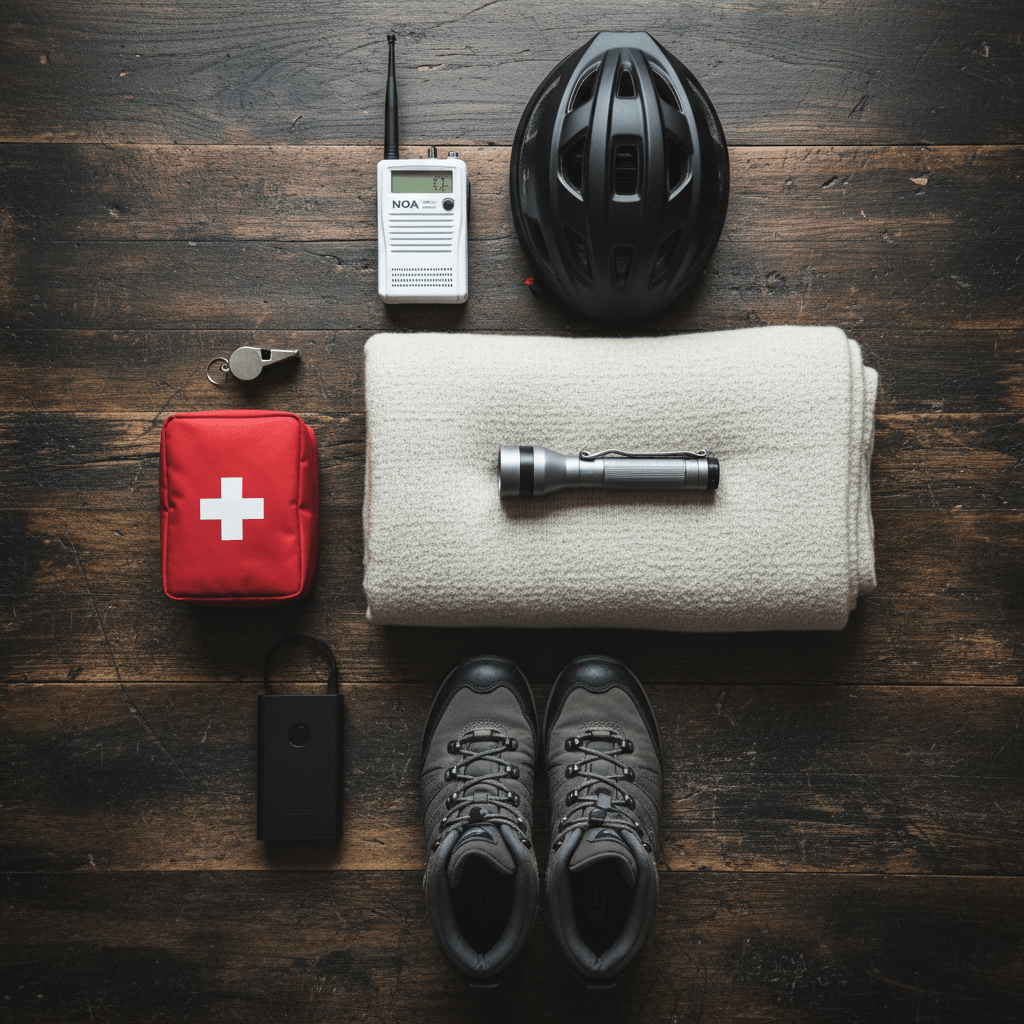
- Keep a battery-operated or hand-crank NOAA Weather Radio in your designated safe room.
- Document your property with photos and videos for insurance purposes before a storm hits.
- Ensure your home is anchored to its foundation according to local building codes.
- Establish an out-of-state contact person whom all family members can text if local networks are congested.
- Check your insurance policy to confirm it includes specific coverage for wind and hail damage.
- Keep a pair of sturdy shoes and a flashlight inside your safe room for immediate access after a storm.
- Review the specific flood preparedness steps, as tornadoes in Nashville are often accompanied by heavy rainfall.
Developing Your Emergency Communication Plan
When a tornado warning is issued for Davidson County, you may have only minutes to react. Your family’s communication plan should be simple and practiced. Designate a meeting spot outside your home if you are separated, and ensure everyone knows how to use the “Check-in” features on mobile devices. For those in high-risk zones, consider reviewing our lightning preparedness guide to understand secondary risks during severe storms.
Local Resources for Nashville Residents
- Nashville Office of Emergency Management: https://www.nashville.gov/departments/emergency-management
- Tennessee Emergency Management Agency (TEMA): https://www.tn.gov/tema.html
Frequently Asked Questions
What is the difference between a tornado watch and a warning?
A tornado watch means conditions are favorable for tornadoes to develop, so you should stay alert and monitor local news. A tornado warning means a tornado has been sighted or indicated by radar, and you must seek shelter immediately. Always treat a warning as an immediate threat to life and property.
Where is the safest place to go in a house during a tornado?
The safest place is a basement, storm cellar, or a small, windowless interior room on the lowest floor, such as a closet or bathroom. Stay away from windows, doors, and outside walls. If you are in a mobile home, you must evacuate to a pre-identified sturdy building or storm shelter.
How can I receive emergency alerts in Nashville?
Nashville residents should register for the Alert Nashville system through the official city website. Additionally, ensure your smartphone’s Wireless Emergency Alerts (WEA) are enabled in your settings. Having a dedicated NOAA weather radio is also recommended as a redundant method to receive alerts even if cellular service fails.
What should I include in my emergency supply kit?
Your kit should include at least one gallon of water per person per day for three days, non-perishable food, a flashlight, extra batteries, a first aid kit, personal hygiene items, and copies of important documents in a waterproof container. Keep these items in a portable bag that is easy to grab.
Should I open windows to equalize pressure during a tornado?
No, you should never open windows during a tornado. Opening windows is a dangerous myth that does not prevent structural damage and can actually allow debris and wind to enter your home more easily. Spend your precious time moving to your designated safe room instead of attempting to adjust windows.
Disclaimer: This guide is for informational purposes only and does not constitute professional engineering or emergency management advice. Always consult local building codes and official government directives from FEMA and the National Weather Service regarding your specific property and safety needs.
Get real disaster prep, decoded from FEMA, NOAA & USGS.
One short email when something actually matters for your zip code. No spam, ever.