
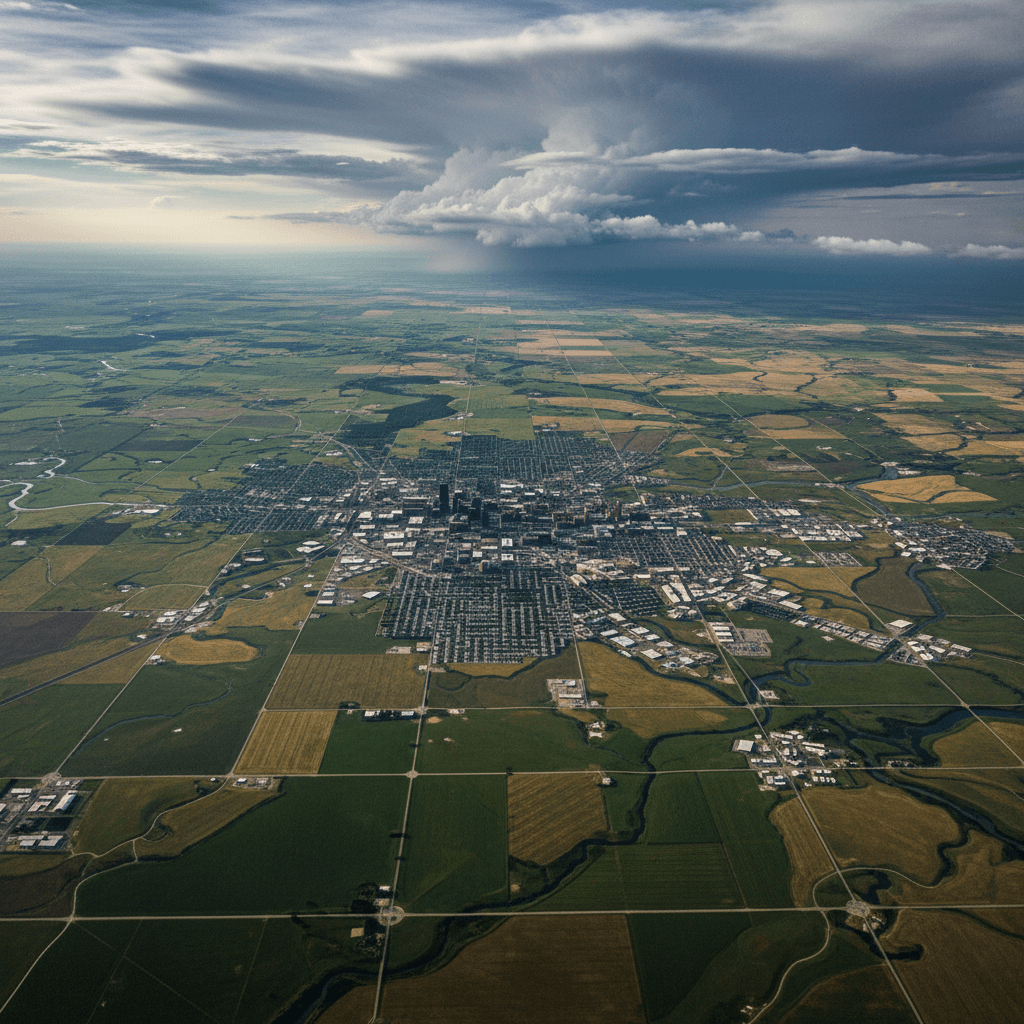
Tornado Preparedness in Tulsa
As spring storm season descends upon Tulsa, Oklahoma, maintaining a well-stocked tornado emergency kit is the most effective way to safeguard your household against sudden, violent weather. With Oklahoma situated in the heart of Tornado Alley, residents must remain vigilant. Real-time data from the National Weather Service indicates that preparedness is your primary line of defense.
Your county's real disaster history, what to do first, and what to keep at home. Free, and it shows up right here.
🔒 We never sell your email. Unsubscribe in one click.
Current Risk Status and Data Analysis
At this time, there are no active tornado warnings for Tulsa, Oklahoma, according to current NOAA data. However, spring is the peak season for severe convective activity in the region. FEMA and local authorities consistently advise that preparedness should be established long before a watch or warning is issued. Additionally, current USGS earthquake monitoring shows no significant seismic activity impacting the Tulsa area, allowing us to focus our full attention on atmospheric threats.
The Essential Tornado Emergency Kit Checklist for Tulsa
When minutes count, having a “go-bag” or a pre-staged storm shelter kit saves lives. Ensure these items are accessible in your designated safe room:
- Battery-powered or Hand-crank NOAA Weather Radio: Essential for receiving alerts even when power and cell towers fail.
- Personal Identification and Important Documents: Keep copies of insurance policies, deeds, and IDs in a waterproof, portable container.
- Non-Perishable Food: A three-day supply of easy-to-open, high-energy food items.
- Water: One gallon per person per day for at least three days for drinking and sanitation.
- First Aid Kit: Stocked with bandages, antiseptic, pain relievers, and any necessary prescription medications.
- Flashlights and Extra Batteries: One for every family member, plus a lantern for ambient lighting.
- Whistle: To signal for help if you are trapped under debris.
- Sturdy Shoes and Work Gloves: Essential for navigating broken glass or metal debris after a storm.
- Helmets: Bike or multi-sport helmets for every family member to protect against head injuries from flying debris.
- Multi-Tool: Useful for utility shut-offs or minor repairs in the immediate aftermath.
- Sanitation Supplies: Moist towelettes, garbage bags, and plastic ties for personal hygiene.
- Cash: Small denominations, as credit card systems may be offline following a major event.
Local Tulsa and Oklahoma Resources
Stay informed through official channels:
Frequently Asked Questions
Where is the safest place to shelter during a tornado in Tulsa?
The safest place is a designated storm shelter or a basement. If neither is available, go to an interior room on the lowest floor, such as a closet or bathroom, away from windows and exterior walls. Cover yourself with heavy blankets or cushions to protect against flying debris.
How often should I update my emergency kit?
Update your kit at least every six months. Check the expiration dates on food and water, test your batteries, and ensure that any prescription medications remain current. Spring and fall are ideal times to perform this maintenance, coinciding with the shift in seasonal weather patterns in Oklahoma.
Should I open windows to equalize pressure?
No, never waste time opening windows during a tornado warning. This is a dangerous myth that increases the risk of injury and debris entry. Focus entirely on getting to your safe location immediately. The structure’s pressure equalization is not affected by windows, and your safety is the priority.
What is the difference between a watch and a warning?
A tornado watch means conditions are favorable for tornadoes to form; stay alert and keep your radio on. A tornado warning means a tornado has been sighted or indicated by radar; you must take cover immediately. In Tulsa, the warning period may be very short, so act quickly.
How can I receive emergency alerts in Tulsa?
Sign up for local emergency notification systems via the City of Tulsa website and ensure your mobile device is enabled for Wireless Emergency Alerts (WEA). Additionally, maintaining a battery-powered weather radio is a vital redundancy that ensures you receive alerts even if the power grid or cellular networks are interrupted.
Disclaimer: This guide is for informational purposes only and does not constitute professional emergency advice. Always follow instructions from local law enforcement and emergency management officials. For more information on other risks, visit our flood preparedness or extreme heat preparedness pages. The core severe-weather kit list for Tulsa is in our Tornado Preparedness guide.
Get real disaster prep, decoded from FEMA, NOAA & USGS.
One short email when something actually matters for your zip code. No spam, ever.