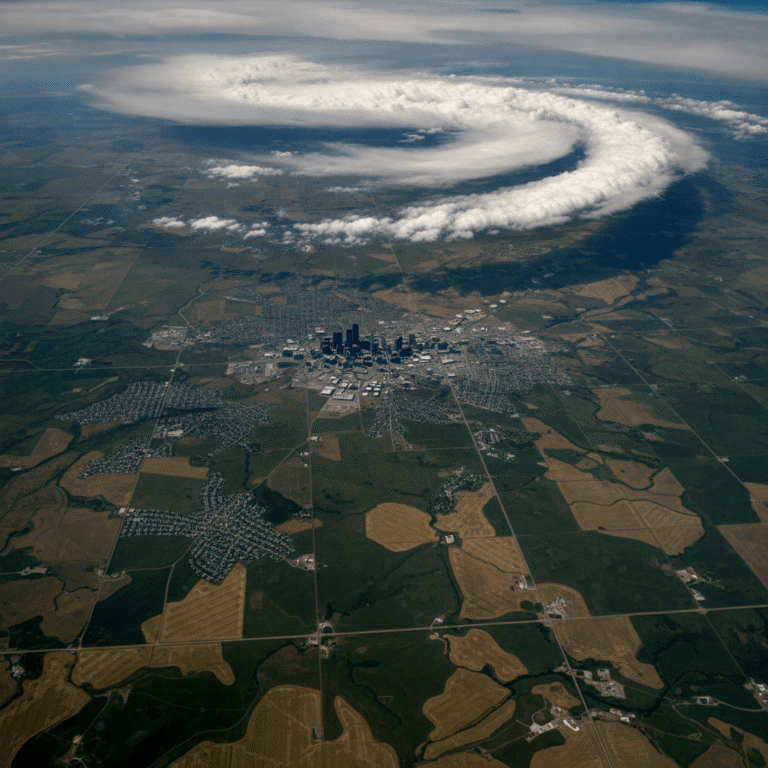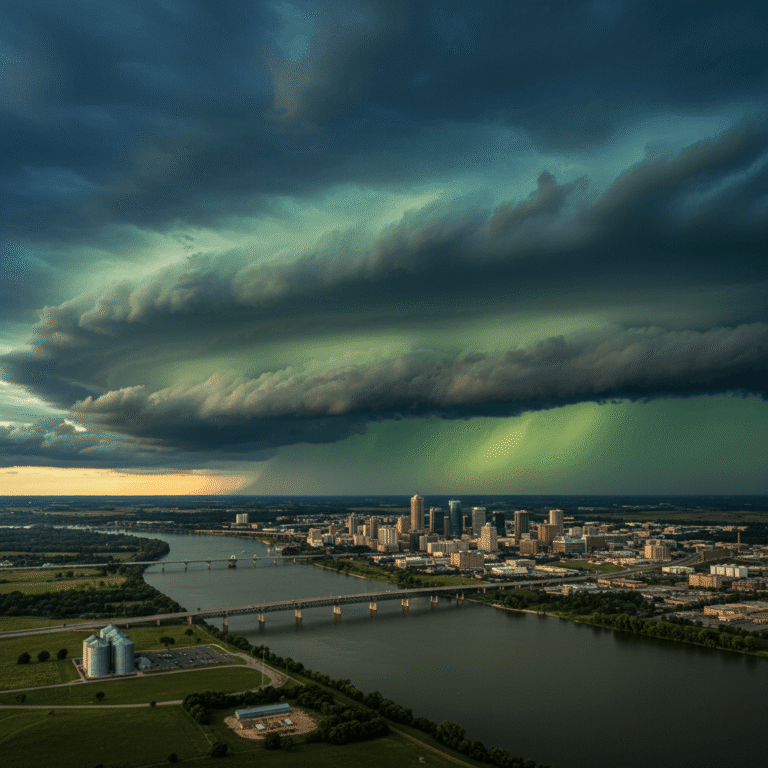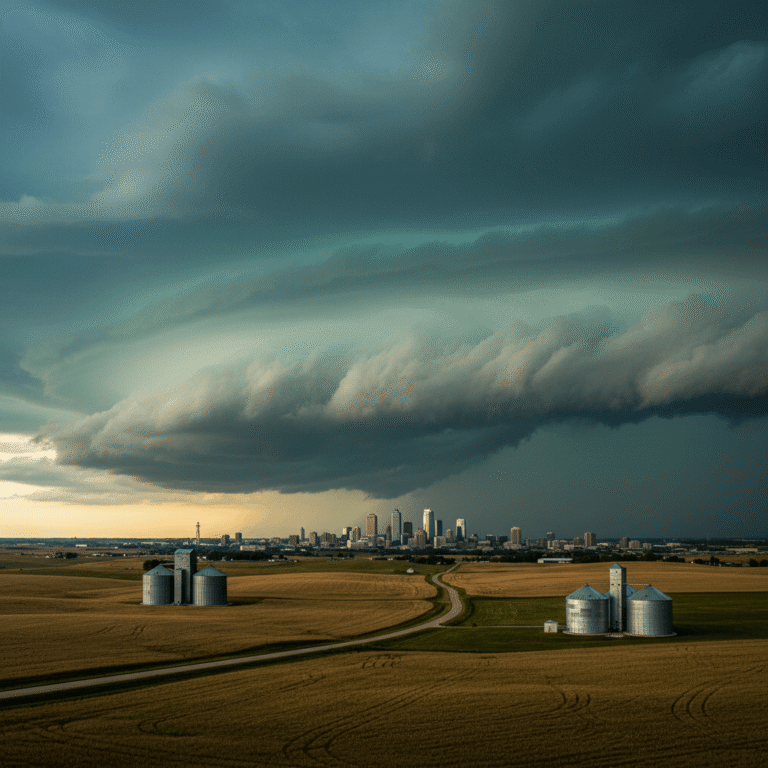

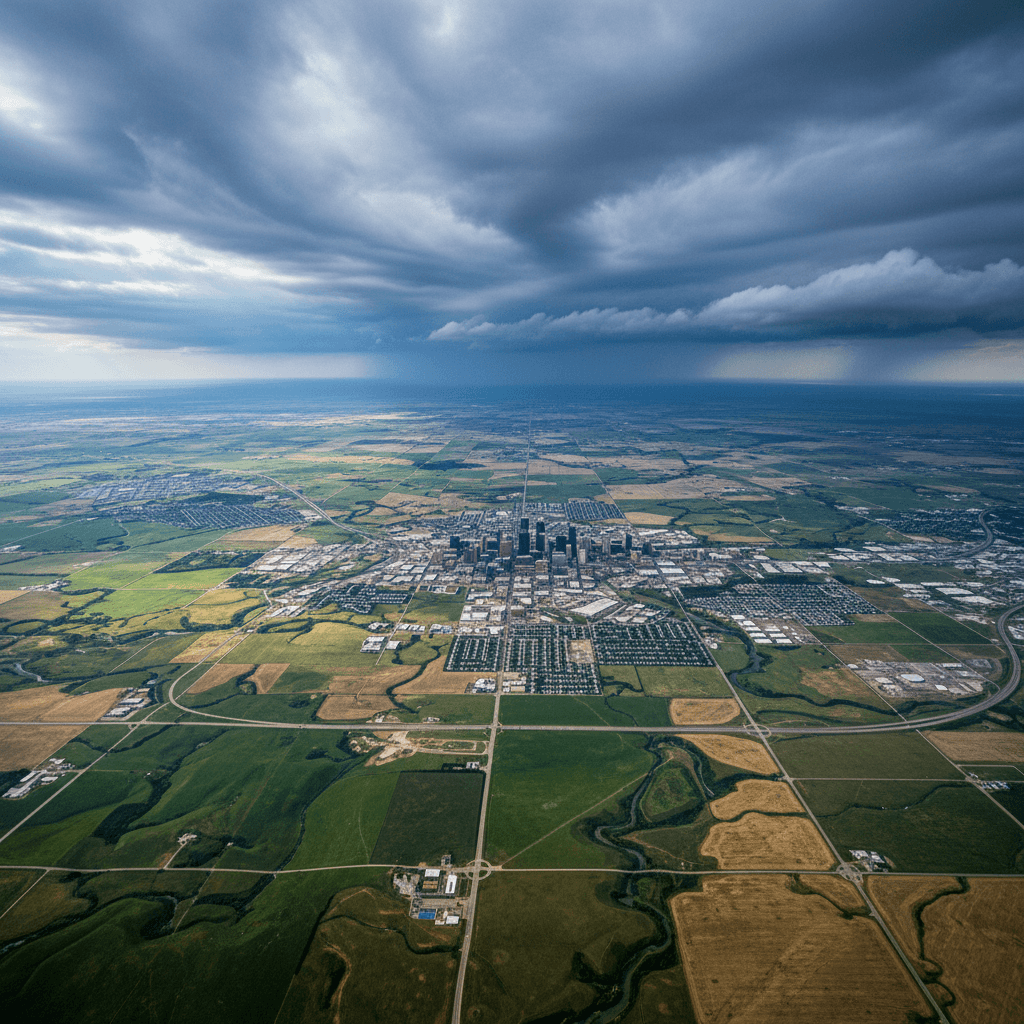
A comprehensive tornado preparedness checklist Oklahoma City OK residents follow is critical for surviving the region’s volatile spring weather. Located in the heart of Tornado Alley, Oklahoma City has experienced more than 150 tornadoes since 1890. Preparing right now, before severe storms strike, ensures your family knows exactly how to respond when warning sirens activate.
Your county's real disaster history, what to do first, and what to keep at home. Free, and it shows up right here.
🔒 We never sell your email. Unsubscribe in one click.
Living in central Oklahoma requires a unique level of situational awareness. The transition from winter to spring brings massive collisions of warm, moist air from the Gulf of Mexico and cold, dry air from the Rocky Mountains. This atmospheric battleground sits directly over Oklahoma City, creating the perfect recipe for supercell thunderstorms and violent tornadoes. Because these storms can spin up in a matter of minutes, having a proactive strategy is not just recommended, it is a vital aspect of home safety. By implementing the steps outlined in this guide, you are actively reducing your family’s vulnerability.
Current Tornado and Hazard Risk Status for Oklahoma City
Right now, as the spring storm season accelerates, heightened vigilance is mandatory. Based on real-time data retrieved from the National Oceanic and Atmospheric Administration (NOAA), there are active weather advisories, including polygon alerts, in the broader Oklahoma and Texas panhandle regions. While no immediate tornado warnings are active for Oklahoma City proper at this exact moment, these nearby atmospheric conditions indicate that the regional weather pattern is highly active and capable of producing severe hazards. Storms in the southwest can track northeast toward the Oklahoma City metro area rapidly.
Recent data from the Federal Emergency Management Agency (FEMA) currently shows no new emergency disaster declarations for Oklahoma County. However, it is important to note that FEMA’s reporting systems occasionally experience technical delays, and a lack of active declarations does not mean the risk is low. Furthermore, the United States Geological Survey (USGS) reports no relevant seismic activity in the state of Oklahoma, recent minor earthquakes have been isolated to the U.S. Virgin Islands and Hawaii. This absence of seismic threats allows Oklahoma City residents to focus their disaster readiness entirely on severe weather, high winds, and tornadoes before this season hits its peak.
The Ultimate Tornado Preparedness Checklist Oklahoma City OK
With spring storm season rapidly approaching, you must act right now. Follow these 12 critical steps tailored specifically for Oklahoma City residents to ensure your household is fully prepared.
- Identify and Prepare Your Safe Room: Locate an interior, windowless room on the lowest level of your home. Ideal locations include a basement, an underground storm cellar, or a reinforced interior closet. In Oklahoma City, above-ground safe rooms must meet FEMA P-320 standards to withstand EF-5 winds. Ensure this space is clear of clutter and easily accessible.
- Register for Regional Emergency Alerts: Sign up for the regional warning systems, including the official Oklahoma City emergency notification system. This ensures you receive immediate text, phone, and email alerts the moment the National Weather Service issues a bulletin. Do not rely solely on outdoor sirens, as they are designed to be heard outdoors, not inside a well-insulated home., pair phone alerts with a dedicated NOAA weather radio for Oklahoma City, which keeps working when cell towers are overloaded.
- Understand the Sector-Based Siren System: Oklahoma City utilizes a sector-based approach for its outdoor warning sirens. They only activate the sirens in the specific areas of the city included in the tornado warning polygon. If you hear the sirens, it means go inside and get more information immediately, not look outside to see the funnel.
- Prepare a Comprehensive 72-Hour Supply Kit: Gather enough non-perishable food, bottled water (aim for one gallon per person per day), and essential prescription medications to last a minimum of three days. Following a major tornado, local infrastructure, including grocery stores and water treatment facilities, may be severely disrupted or completely inaccessible.
- Secure Important Financial and Medical Documents: Store physical copies of your driver’s licenses, passports, health insurance cards, home insurance policies, and property deeds in a highly durable, waterproof, and fireproof container. Additionally, digitize all of these crucial documents and upload them to a secure cloud server so you can access them from anywhere if your home is destroyed.
- Create a Robust Family Communications Plan: Designate a reliable out-of-state contact who can coordinate information and location updates for your family. During a massive severe weather outbreak, local Oklahoma cellular networks are frequently overwhelmed by high call volumes. Long-distance calls or text messages often have a much higher chance of connecting successfully.
- Map Out Community Shelters and Alternatives: Be acutely aware that the local government of Oklahoma City does not operate or open public tornado shelters. You must arrange shelter with nearby friends, family members, or your workplace well before a tornado watch is even issued. Never assume a local school or church will be open.
- Reinforce Your Garage Door: High winds from tornadoes often breach weak garage doors first. Once the garage door fails, the sudden influx of wind pressure frequently leads to catastrophic roof failure and the collapse of the home’s walls. Install a certified garage door bracing system right now before the severe weather season hits.
- Clear Yard Debris and Secure Outdoor Items: Regularly survey your property and remove dead tree branches. Secure heavy patio furniture, trampolines, grills, and loose landscaping materials. In winds exceeding 100 miles per hour, these everyday items quickly become deadly, high-velocity projectiles that can shatter windows and breach your home’s exterior.
- Check Your Homeowner’s Insurance Coverage: Review your homeowner’s or renter’s insurance policy immediately to ensure you have adequate coverage for catastrophic wind and hail damage, which are extremely common throughout central Oklahoma. Document your home’s current condition with a video walkthrough to make future insurance claims much smoother.
- Conduct Monthly Tornado Drills with Your Family: Practice moving your entire household, including all pets, to your designated safe room within a strict two-minute time limit. Timing is absolutely critical during a sudden warning. Conduct these drills at different times of the day, including at night, so everyone knows exactly what to do in the dark.
- Learn Emergency Utility Shut-Off Procedures: Ensure every adult in your household knows how to safely turn off your home’s natural gas, water, and electricity at the main valves or breakers. Ruptured gas lines and exposed live electrical wires are significant, life-threatening secondary hazards in the immediate aftermath of an Oklahoma tornado.
Local Oklahoma City Emergency Resources
Staying connected with official local authorities is critical for receiving the most accurate, up-to-date information regarding severe weather and recovery efforts. Bookmark these essential local resources:
- Oklahoma City Office of Emergency Management: Visit okc.gov/departments/emergency-management for comprehensive local preparedness initiatives, detailed siren information, and community safety programs tailored for OKC residents.
- Oklahoma Department of Emergency Management (ODEM): Access statewide disaster resources, post-storm recovery assistance, and hazard mitigation plans at oklahoma.gov/oem.
For a broader understanding of how to protect your property from other potential hazards in the region, review our comprehensive flood preparedness guide and our detailed power outage preparedness strategies. For the Oklahoma City-specific tornado plan itself, see our Tornado Preparedness guide.
Frequently Asked Questions
What is the difference between a tornado watch and a warning in OKC?
A tornado watch means conditions are favorable for tornadoes to develop in or near Oklahoma City. A tornado warning means a tornado has been sighted by spotters or indicated by weather radar, and you must take shelter immediately. Always treat warnings with extreme urgency to protect your family.
Does Oklahoma City have public tornado shelters?
No, Oklahoma City does not provide public tornado shelters. City officials emphasize that traveling during a tornado warning is highly dangerous. Residents must identify a safe room within their own home, apartment building, or workplace, or arrange to shelter with nearby neighbors before storms arrive.
When are the outdoor warning sirens tested in Oklahoma City?
Oklahoma City tests its outdoor warning sirens every Saturday at noon, unless there is a threat of severe weather that day. If you hear the sirens at any other time, or during a storm on a Saturday, assume it is a real emergency and take immediate cover.
How can I protect my pets during a tornado?
You can protect your pets by bringing them indoors at the first sign of severe weather. Keep them on a leash or in a sturdy carrier, and ensure they are wearing collars with updated ID tags. Include extra pet food and water in your family’s emergency kit.
What should I do if I am caught driving during a tornado?
If you are caught driving, never try to outrun a tornado. Pull over, exit your vehicle, and seek shelter in a sturdy building. If no building is available, lie flat in a low-lying ditch or ravine, covering your head with your hands. Never shelter under highway overpasses.
Official Sources
- Federal Emergency Management Agency (FEMA)
- National Oceanic and Atmospheric Administration (NOAA)
- United States Geological Survey (USGS)
Disclaimer: The information provided in this guide is for educational and informational purposes only. Severe weather conditions can change rapidly. Always follow the direct guidance of your local emergency management officials and law enforcement. USRiskRadar.com is not responsible for any injury, loss, or damage resulting from the use of this information.
Get real disaster prep, decoded from FEMA, NOAA & USGS.
One short email when something actually matters for your zip code. No spam, ever.