

When a graduation ceremony ends by flashlight, the lesson is bigger than one event. A sudden outage can interrupt transportation, communication, lighting, medical needs, and simple household routines in minutes. For homeowners, the goal is not to fear the grid. It is to be ready for the first 72 hours of a disruption with a plan that is calm, practical, and easy to use. Our Power Outage Preparedness guide lays out that plan in full.
That 72-hour window matters because most short outages resolve quickly, while the hardest part is often the first night: no lights, no way to charge phones, and a refrigerator you want to keep closed. The fix is not a giant bunker. It is a small, tested kit plus a few household habits that make darkness manageable.
What this outage reminds us to prepare for
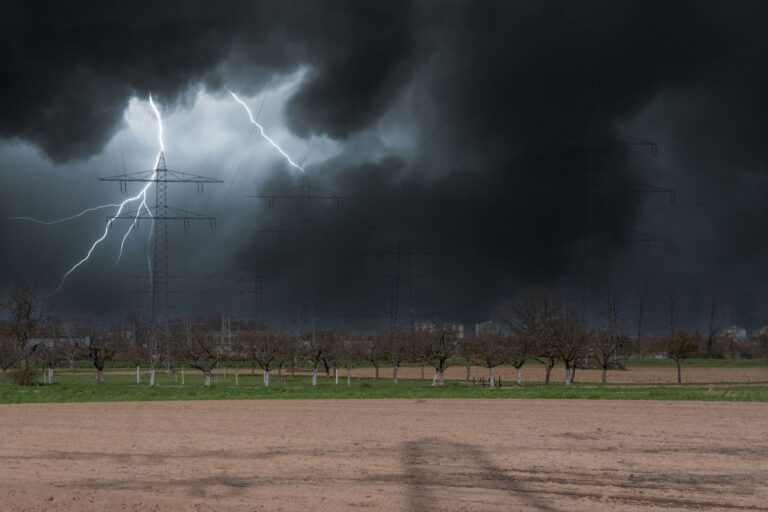
Storms are the most common cause of sudden power loss in many parts of the United States. Strong winds, lightning, falling trees, and local equipment damage can take power down without much warning. Even if your area is not hit hard, nearby outages can still affect traffic signals, gas stations, and cell service.
For homeowners, the practical takeaway is simple: assume the power could go out at dinner, after school, or during the night. Your readiness plan should help you do three things immediately:
- See safely in the dark.
- Communicate when charging is limited.
- Maintain basic comfort for 72 hours without panic buying.
Build a 72-hour outage kit, not a random drawer
Many households already own flashlights and candles, but scattered supplies are hard to use when the lights go out. A better approach is to create one dedicated power-outage kit for the whole house. Keep it in a closet, hallway bin, or mudroom shelf where every adult in the home can find it quickly.
Here is the core kit USRR recommends for most homes:
- Light: 2-4 LED flashlights, headlamps for hands-free work, spare batteries, and one lantern for shared rooms.
- Power: fully charged power banks, charging cables, and a car charger as a backup.
- Information: a battery-powered NOAA weather radio or hand-crank radio.
- Food and water: 1 gallon of water per person per day, plus shelf-stable food that requires little or no cooking.
- Medical: a 72-hour supply of prescriptions, over-the-counter basics, and any device batteries your family depends on.
- Home comfort: blankets, a manual can opener, trash bags, wet wipes, and cash in small bills.
Why this works: it covers the immediate needs that become difficult when the grid is down, without assuming you will be cut off for days or need specialized equipment right away.
Decode the alerts: NOAA, FEMA, and your local utility
When bad weather is in the forecast, you may see a mix of messages from different sources. Here is how to read them.
- NOAA Weather Radio: A reliable source for weather alerts, watches, and warnings. If a severe storm is approaching, this can help you prepare before your phone battery runs low.
- FEMA guidance: FEMA’s standard advice for short disruptions is to plan for at least 72 hours of self-sufficiency. That means enough supplies to get through a weekend without outside help.
- Utility outage map: Useful for estimating restoration time in your neighborhood, but not a guarantee. Treat it as a status update, not a promise.
- USGS data: If an earthquake causes outages, the U.S. Geological Survey can help you understand whether shaking was local or widespread. In that scenario, power restoration may be slower because multiple systems are affected.
If you hear a storm warning or see utility interruptions spreading, shift from convenience mode to readiness mode early. Charge devices, fill water containers, and place your lights where you can reach them in the dark.
Make light the first priority
In most outages, good lighting changes everything. It prevents falls, keeps kids calmer, and allows you to move around the house safely. Do not rely on only one flashlight in one kitchen drawer. Spread light across the home.
Put a flashlight in these locations:
- Primary bedroom
- Kitchen
- Front entry
- Garage or utility room
- Car glove box
Use LED lights instead of candles whenever possible. LEDs run cooler, last longer, and reduce fire risk. A small lantern on the dining table can keep the household functioning better than several tiny phone lights held over food or papers.
📦 Recommended: Blackout Protocol
If your concern is a longer outage that goes beyond a few hours, a structured home power plan can help you think through lighting, charging, backup routines, and what to do first when the grid goes down.
Protect food, phones, and daily routines
Once the lights are on your backup system, the next challenge is preserving the things your household uses most. Keep refrigerator and freezer doors closed as much as possible. A full refrigerator usually keeps food safe longer than a half-empty one, especially if it stays shut.
For devices, think in tiers:
- Tier 1: Phone battery for calls, texts, and alerts.
- Tier 2: Power bank for recharging phones and small devices.
- Tier 3: Car charger or generator-compatible charging setup if available.
Set one family communication plan now: who you text first, where you check in, and what you do if cell service becomes spotty. During an outage, short messages are often more reliable than long calls. Keep texts brief and factual.
For meals, use shelf-stable items that require little preparation: canned soup, peanut butter, crackers, tuna, fruit cups, protein bars, and ready-to-eat meals. If you have a camp stove or grill, use it only outdoors and never inside a garage, basement, or enclosed porch.
Plan for home and away
Outages do not only affect the home. They can also hit school events, work commutes, and travel plans. That is why the 72-hour concept should include a smaller version of your kit for the car or office bag.
Your away kit should include:
- A small flashlight or keychain light
- A charged power bank
- Phone charging cable
- Water bottle
- Basic snacks
- Emergency contact card on paper
If you have medical needs, add extras that are easy to forget during a rushed outage: inhaler, insulin supplies, CPAP battery backup options, or contact lenses and solution. A power outage becomes much harder when a critical item is stored at home and you are away from it.
📦 Recommended: The Grid Phantom
If your household depends on electronics, chargers, or sensitive devices, a practical guide to protecting critical gear can help you prepare for outages and power-quality problems before they damage equipment.
What to do next
- Assemble one outage kit and store it where everyone can find it fast.
- Charge power banks and test every flashlight and radio today.
- Post the family plan with contacts, meeting points, and medication notes.
- Check your food and water supply and add enough for 72 hours.
- Review storm alerts weekly so you are not starting from zero when weather changes.
Get real disaster prep, decoded from FEMA, NOAA & USGS.
One short email when something actually matters for your zip code. No spam, ever.