
A planned power outage on Dauphin Island is a useful reminder that outages do not have to be dramatic to be disruptive. Even when utilities give advance notice, the result for a household can be the same: no lights, no cooling, no internet, limited charging, and added stress around food, water, medical devices, and daily routines. That is why USRR recommends every homeowner build for 72 hours of readiness, not because every outage lasts that long, but because three days is a practical benchmark for most short-term grid disruptions. Our Power Outage Preparedness guide covers what to put in that 72-hour plan.
The goal is not to panic. The goal is to make sure your home can operate safely and comfortably while utility service is interrupted, whether the outage is scheduled, weather-related, or caused by equipment failure. Below is a clear, homeowner-focused checklist that translates public preparedness guidance into real-world action.
What a planned outage really tests
Planned outages expose the same weak points as surprise outages: how long your food stays cold, whether your phones stay charged, whether you can run medical equipment, and whether your household can stay cool or warm enough without power. If you live in a region that faces heat, humidity, storms, or hurricane-related disruptions, the inconvenience rises quickly.
For homeowners, the first question is simple: what stops working immediately? Usually it is more than just the lights. In a typical outage, you may lose:
- Refrigeration and freezer reliability
- Internet and home Wi-Fi
- Electric stove, microwave, and coffee maker
- Garage door openers and some home security systems
- HVAC fans, window units, or central cooling
- Phone and tablet charging unless you have backup power
That is why a 72-hour checklist matters. It helps you separate conveniences from essentials and prepare accordingly before the outage begins.
What FEMA recommends for 72 hours
FEMA’s core readiness guidance is built around a simple idea: have enough supplies and planning to get through at least three days without outside support. For a household, that means preparing for water, food, communication, first aid, light, and a basic comfort plan.
In practical terms, here is what FEMA-style readiness looks like at home:
- Water: one gallon per person per day for drinking and basic sanitation
- Food: shelf-stable items that do not require cooking or refrigeration
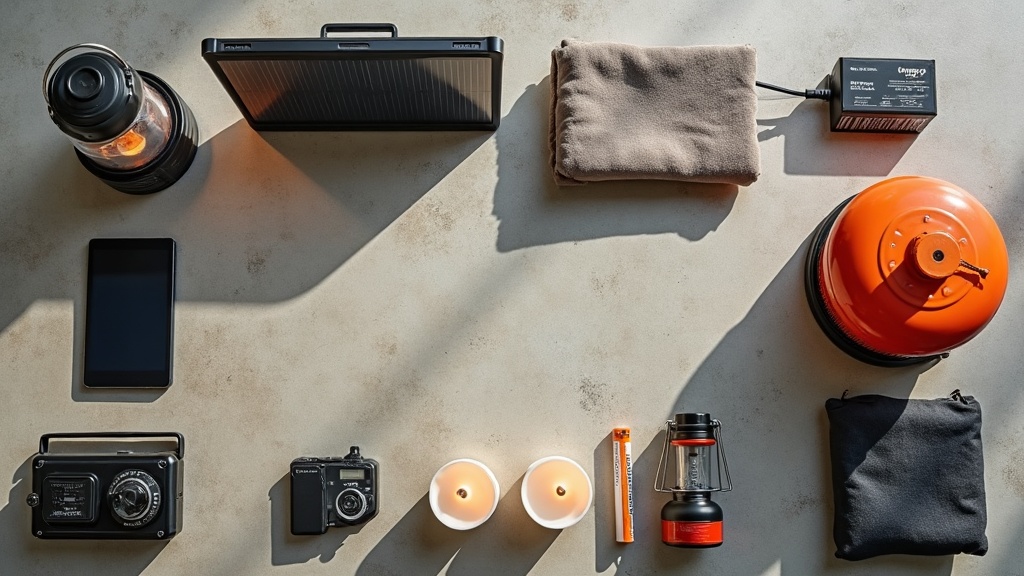
- Lighting: flashlights or headlamps with extra batteries
- Communication: battery-powered or hand-crank radio plus charged power banks
- Health: prescription medications, copies of key medical information, and a first-aid kit
- Sanitation: wipes, trash bags, hand sanitizer, and backup supplies for pets or infants
What FEMA does not guarantee is convenience. A 72-hour plan should be realistic for your household size, climate, and medical needs. If you have infants, seniors, pets, or someone who relies on powered medical devices, your plan should be more robust than the average checklist.
📦 Recommended: Blackout Protocol
If your home plan is still mostly “figure it out when the lights go out,” this guide can help you organize the basics for a longer blackout. It is especially useful when a planned outage turns into a longer-than-expected disruption.
What you should actually have ready now
There is a difference between owning a few emergency items and having a system you can use under pressure. Here is the USRR version of a practical 72-hour home setup.
1) Water and food
Keep drinking water on hand before the outage starts. Store shelf-stable meals that your household will actually eat: canned soups, peanut butter, tuna, crackers, protein bars, fruit cups, and ready-to-eat meals. If you have an electric stove or induction cooktop, think through how you would make food without power.
2) Light and charging
Every adult should know where the flashlights are and how to use them. Headlamps are often better than flashlights because they keep both hands free. Charge power banks in advance, not after the outage begins. Keep a cord set in one place so you are not searching for cables in the dark.
3) Temperature and comfort
In hot weather, a planned outage can become a comfort issue fast. Close blinds during the day, limit oven use before the outage, and know where to go if your home becomes too warm. In cooler weather, use layers, blankets, and a plan to stay in one room if needed. Never use a generator, grill, or fuel-burning device indoors or in a garage.
4) Communication and information
Cell towers may keep working during a local outage, but not always for long or at full capacity. A battery-powered NOAA Weather Radio or hand-crank radio helps you receive official updates if internet service drops. Keep a printed contact list and a paper copy of important numbers in case your phone dies.
How to read NOAA and USGS alerts without overreacting
When outages happen near storms or severe weather, many homeowners see agency alerts and do not know how to interpret them. The key is to focus on the source and the meaning.
NOAA provides weather forecasts, watches, warnings, and storm-related updates. A watch means conditions are favorable for hazardous weather; a warning means the hazard is happening or imminent. For outage planning, a warning is your cue to finalize supplies, charge devices, and avoid unnecessary travel.
USGS is the federal source for earthquakes, landslides, and related earth science data. If a power interruption follows ground movement, the immediate concern is not the outage itself but whether infrastructure, roads, or your home has been affected. In that case, review structural safety before restoring normal use of appliances.
The main takeaway: use official alerts to support decisions, not to guess. If service is lost, follow local utility updates, NOAA information, and emergency management instructions rather than social media rumors.
Generator and electronics safety matters
Many homeowners turn to backup power after an outage, but setup matters more than ownership. A generator should be sized appropriately, used outdoors, and kept away from windows and doors because of carbon monoxide risk. If you rely on sensitive electronics, it is also wise to think about surge protection and safe shutdown procedures before utility service is interrupted.
That is where planning for your devices becomes part of the same readiness picture as water and food. Protecting routers, computers, chargers, and home office equipment can reduce the cost of an outage and make recovery easier afterward.
📦 Recommended: The Grid Phantom
If your home depends on Wi-Fi, smart devices, work laptops, or a lot of charging equipment, this resource is a good fit. It focuses on protecting critical electronics during grid failure, which is often the first hidden cost of an outage.
What to do next
- Pack a 72-hour tote with water, shelf-stable food, medications, chargers, and flashlights.
- Test backup power before you need it, including batteries, generators, and power banks.
- Write down your outage plan for food, cooling/heating, medical needs, and pet care.
- Save official sources from your utility, NOAA, and local emergency management in your phone and on paper.
- Walk your home and identify what stops working the moment power goes out.
Get real disaster prep, decoded from FEMA, NOAA & USGS.
One short email when something actually matters for your zip code. No spam, ever.