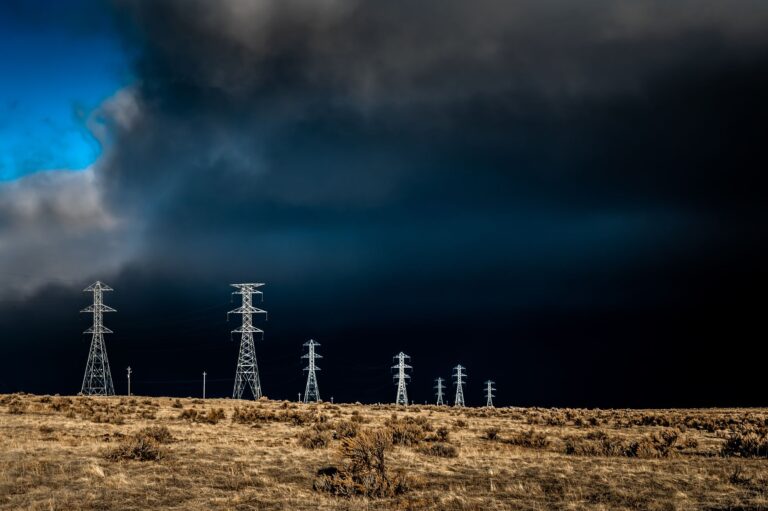

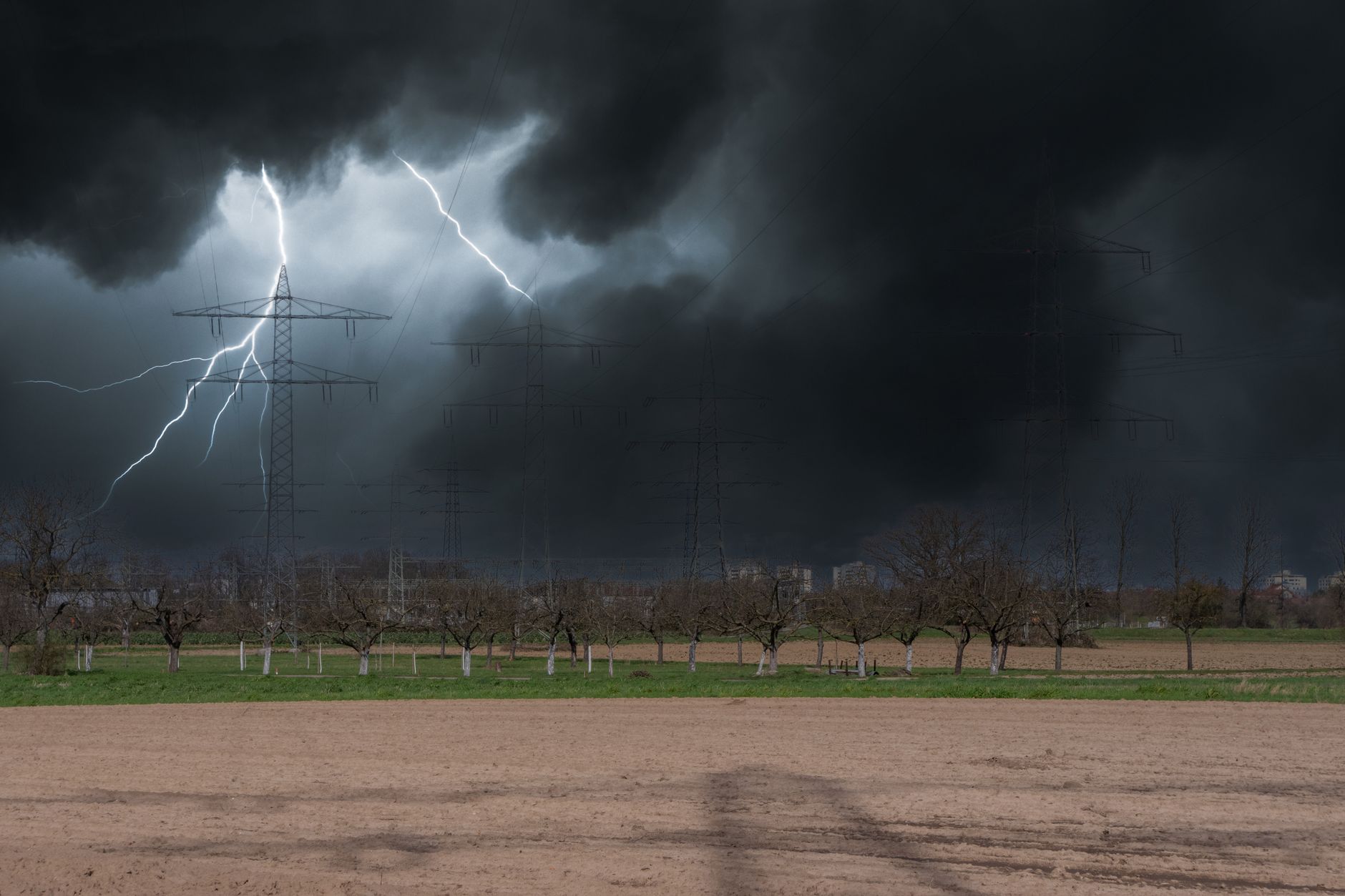
The good news: the U.S. power grid appears better positioned this summer than many experts feared, in part because utility-scale solar and battery storage can help meet peak demand and reduce strain on the system. That matters. But for homeowners, improved grid resilience is not the same thing as outage-proof living. Storms, equipment failures, heat waves, wildfires, and local transmission problems can still knock out power in one neighborhood, one county, or one region at a time.
That is why the smartest approach is not to wait for a blackout headline. It is to build a simple, reliable 72-hour power plan for your home. The goal is not to power everything. The goal is to keep essential devices running, protect food and medications, maintain communications, and reduce stress while utilities restore service.
Why a stronger grid still does not replace home backup power
When analysts say the grid is in better shape, they are usually referring to overall supply and demand conditions, reserve margins, and the ability to serve peak loads. Solar and batteries can help utilities avoid emergency shortages during hot afternoons and evening peaks. In plain English: the system has more tools to stay balanced.
But most household outages are local, not national. A fallen tree, transformer failure, lightning strike, vehicle accident, or storm surge can interrupt service even when the wider grid is performing well. That is why a homeowner should think in terms of outage duration, not just outage cause.
For 72-hour readiness, assume you may be without grid power for three days. That is long enough to affect refrigeration, Wi-Fi, phone charging, sump pumps, medical devices, garage doors, and home security systems. Planning for that window gives you a practical margin without overbuying gear you may never use.
What a 72-hour power plan should cover
Your backup plan should start with a short list of essential loads. Focus on the devices and systems that keep your household safe and informed:
- Communication: cell phones, hotspot, battery radio
- Lighting: LED lanterns, flashlights, headlamps
- Cold chain: refrigerator/freezer monitoring, cooling packs
- Medical needs: CPAP, oxygen concentrators if applicable, refrigerated medications
- Home function: garage door opener, Wi-Fi router, sump pump, alarm system
Next, estimate how much power those items require. You do not need a complex engineering chart. Look for the wattage on each device label or power brick. Then classify items into two groups: devices that must run continuously, and devices that only need short charging periods. That distinction helps you size your backup more accurately.
A small home backup package often works best when it combines three layers:
- Battery storage: a portable power station or home battery backup for charging and short runtime needs
- Solar input: a foldable solar panel or rooftop solar with battery storage to extend use during long outages
- Non-electric support: manual can opener, insulated cooler, ice packs, and backup water
Think of the system as support, not replacement. You are trying to keep the most important functions alive long enough for service to return.
📦 Recommended: Blackout Protocol
If your home needs a clear plan for running essentials during a prolonged outage, this is built around whole-house preparedness and backup priorities. It is a useful fit for homeowners who want a structured way to think through power loss before the lights go out.
How to choose the right backup power setup
Portable power stations, solar generators, and battery backups are often the easiest path for homeowners because they are quiet, indoors-friendly, and simple to operate. The right one depends on what you need to power.
Choose a portable power station if:
- You mainly need to charge phones, tablets, laptops, and small medical devices
- You want a no-fuel, low-maintenance option
- You need indoor-safe backup for apartments, condos, or homes with limited storage
Choose a solar-capable system if:
- You want longer runtime during multi-day outages
- You can place panels in direct sunlight
- You expect frequent weather-related disruptions and want recharge flexibility
Choose a battery backup for home circuits if:
- You need to keep critical outlets or appliances running automatically
- You want seamless transfer when utility power drops
- You are protecting items such as sump pumps, routers, or a refrigerator
A practical rule: size the system for the lowest essential load first. That means your phones, lights, and communication devices. If budget allows, add refrigeration or medical needs next. This staged approach prevents overspending on capacity you will not use.
Also pay attention to output type. Some appliances need pure sine wave output, which is better for sensitive electronics and motors. If you are backing up a CPAP machine, router, or modern refrigerator control board, that detail matters.
Read NOAA and utility alerts the right way
Even a stronger grid can be stressed by summer heat. To make good decisions, homeowners should understand the basic public sources that forecast risk.
NOAA Weather Outlooks: NOAA tracks heat waves, severe storms, tropical systems, and extreme weather that can lead to outages. For homeowners, the key signals are watches and warnings. A watch means conditions are favorable. A warning means danger is imminent or already happening. If you see a severe thunderstorm warning or heat advisory, start charging devices and cooling your home early.
USGS and local hazard data: USGS is especially useful for earthquake, landslide, and wildfire-related risk information. These events can cut power lines or interrupt transmission and access. Even if you live far from a coastline or hurricane zone, a regional hazard can still affect your local grid.
Utility outage maps: During an event, your local utility may provide estimated restoration times and outage clusters. Use those maps to decide whether to conserve battery, move refrigerated food, or shift to a lower-power mode.
The smartest habit is simple: when severe weather is forecast, charge all essential batteries to 100 percent, top off portable stations, and run your refrigerator as efficiently as possible before the outage starts.
📦 Recommended: The Grid Phantom
If your priority is keeping sensitive electronics and critical devices protected when the grid is unstable, this resource is aimed at the weak points most homeowners overlook. It fits especially well for families relying on home office gear, routers, and backup communications.
Make your 72-hour plan practical, not complicated
The most effective preparedness plans are the ones your household can actually use. Keep your backup power system simple enough that anyone in the home can start it, charge from it, and conserve it.
Store power gear where you can reach it quickly, not buried in a garage corner. Label charging cables. Print a one-page checklist. If your backup depends on fuel, test it in advance and store fuel safely according to manufacturer instructions. If your backup depends on solar, practice setting up panels and confirm the sun angle in your yard, balcony, or driveway.
Most importantly, run a quarterly outage drill. Turn off a few circuits or simulate loss of power for two hours and see whether your plan works. You will learn more from that practice than from reading ten product pages after an outage has already started.
What to do next
- List your essential devices and note their wattage and runtime needs.
- Choose one backup power solution that can cover phones, lighting, and communications for 72 hours.
- Download or bookmark local NOAA alerts and your utility outage map.
- Build a food, water, and medication backup kit that supports three days without grid power.
- Test your plan this month so you know what works before a real outage.
Get real disaster prep — decoded from FEMA, NOAA & USGS.
One short email when something actually matters for your zip code. No spam, ever.